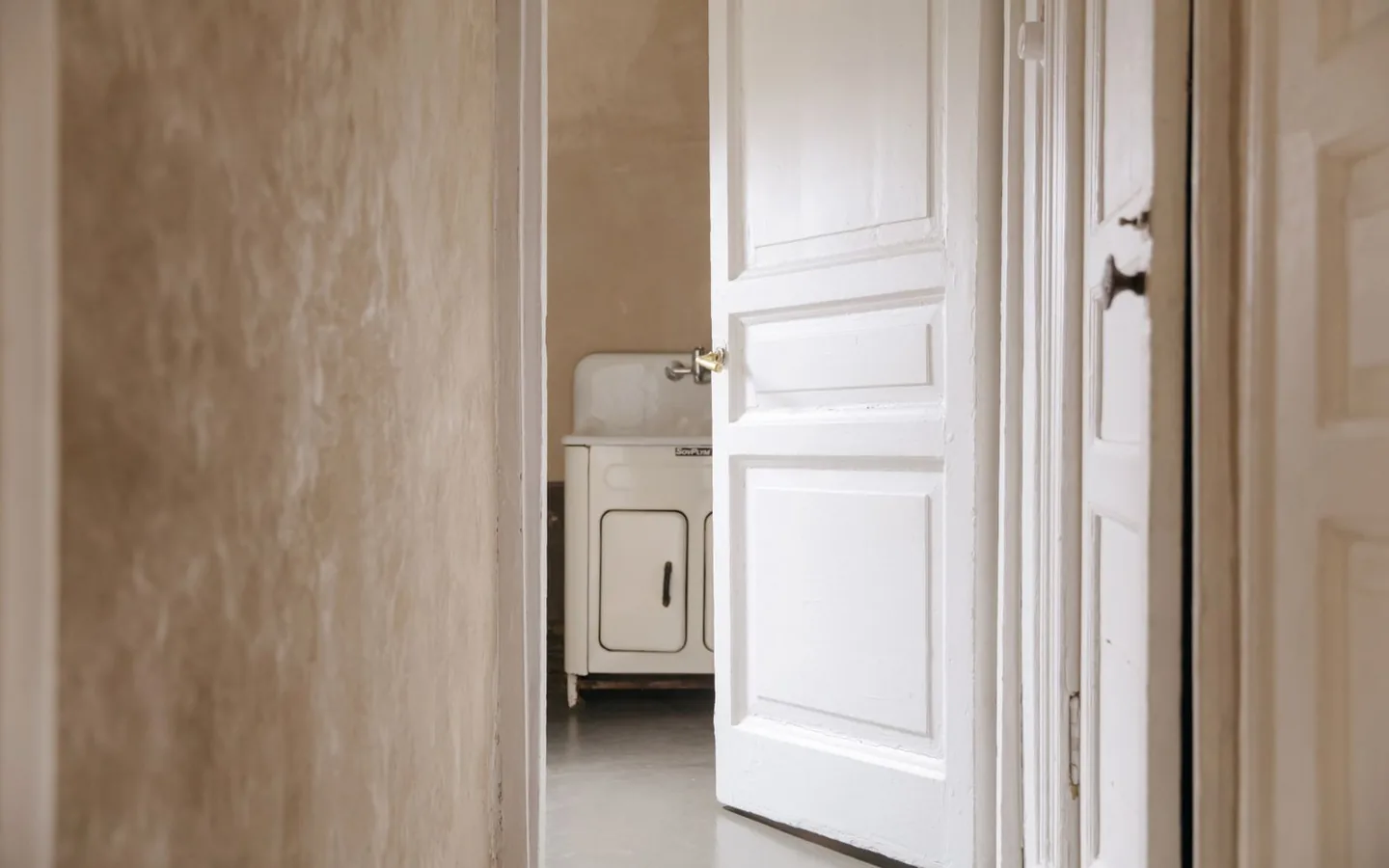
What Paint Sheen Works Best in Each Room?
Match flat, matte, eggshell, satin, and gloss paints to surface condition, cleaning, moisture, and the light in each room.
Start with a lower sheen in rooms with strong side light or uneven walls and a washable formulation where hands and splashes reach. Compare the exact products available, because a sheen name alone does not tell you how a paint will clean or hold up in humidity.
The finish changes the color you thought you chose
A color chip can look settled and even on the table. Put the paint on a wall facing a window and parts of the same color may suddenly look pale as they reflect light. Seen from the opposite corner, the wall may appear deeper. The sheen affects that shift. The difference is easy to miss while you hold a paint chip at arm's length, and obvious when you walk down a hall where the whole surface is lit at a shallow angle. Set a time to look at samples when the room receives its strongest daylight and again when the lights you use at night are on.
Sheen words describe broad families. Flat and matte generally sit toward the low reflection end. Eggshell, satin, and gloss indicate progressively stronger reflection in many product lines. The boundaries vary, and names can overlap between manufacturers. Look up the technical sheet for the particular paint and check what it says about suitable surfaces, cleaning, and application. Two cans called satin can produce different-looking walls. If you already like a finish in another room, record its product and sheen. That information is more reliable than an attempt to match a generic label at the store.
The nearly invisible ceiling
Flat ceiling paint is a useful starting point in a living room or bedroom where a long window casts light across the ceiling. A low-reflection surface helps patches and minor ripples recede. Stand at the doorway and look up in daylight before committing. Shadows cast by trim or ceiling details may be as noticeable as reflection. If the ceiling itself is a character feature, such as a broad area of painted boards, a little sheen can give that detail definition. Look at the ceiling and the upper wall together because the changing angle can make a single color seem like two different shades.
A kitchen or bathroom ceiling sees different conditions. Ask for a formulation intended for the environment and confirm any moisture or curing limits before the room returns to use. Look for the source if the existing coating is blistering, stained, or peeling, especially when the same patch has failed more than once. A durable coating belongs on a sound surface, and fixing a leak or ventilation problem takes precedence over cosmetic work. If older coatings may contain hazardous material, arrange an appropriate assessment before any work that would disturb them. Tell the painter which areas have an unknown history.
The everyday wall by the door
Think of the stretch of wall beside an entrance, the corner clients touch on the way upstairs, or the route a family uses to get bikes out of a flat. If ordinary marks are frequent, prioritize the written cleaning compatibility and abrasion performance of a candidate paint. A washable matte can be useful when uneven plaster and side light make shine conspicuous. A modest eggshell or satin can make sense where the wall is sound and you like a soft highlight. Read the manufacturer's instructions for when and how to clean once the coating has cured.
Divide the wall into zones before deciding to use the most durable option everywhere. The lower part of a hall sees more shoes and bags than the upper part. A painted panel, wainscot, or resilient lower finish can make the busiest section easier to maintain. Check where the boundary meets doors, switches, stairs, and corners. A line that looks crisp in a photograph can become hard to place in a house with uneven casings or several floor levels. Keeping the same color across a change in sheen can give a subtle division if both versions are available and look agreeable together.
The wall that catches morning sun
In a lounge with original plaster, the wall perpendicular to a large window can be more revealing than the wall directly opposite it. Light moves along small ridges and shows the edges of old repairs. Try a true sample of the full finish on more than one face of the room. Move an adjustable lamp along the wall as an observation aid if the finishing work is under review. The choice may come down to paying for additional preparation on a prominent wall, using a matte finish there, or changing the placement of a lamp that makes a small flaw more apparent.
A home office can have both physical and visual cleaning demands. A low reflection behind the computer may feel easier to look at for long periods. The wall beside the chair may require occasional cleaning where hands and equipment pass close by. See which marks you actually experience before specifying two products. Bedrooms can take a gently reflective surface if a wall needs regular care, or a softer finish where the light is the dominant concern. In a child's room, a clear plan for occasional touch-ups may prove more useful than a complicated scheme chosen to avoid every mark.
The area above a worktop or basin
A kitchen wall beside a dining seat and a kitchen wall behind the main cooking area are different jobs. Consider a suitable dedicated backsplash for regular heat or splashing, according to the appliance and finish requirements. For the painted areas, ask what cleaning the specified product allows after curing. If existing walls carry grease or residues, tell the painter what has been used on them before specifying preparation. Adhesion depends on the surface as well as the new paint. Once you know where paint is appropriate, choose a sheen that looks coherent beside the countertop and cabinetry.
In a bathroom, distinguish surfaces occasionally exposed to humid air from those repeatedly hit by direct water. Verify that the proposed construction is appropriate for the latter. Paint formulated for a bathroom can be a good choice for compatible walls and ceilings outside the areas that require a dedicated wet-area assembly. Look at older patches around a window or shower. Their condition may offer a clue about air movement, cold surfaces, or water getting in. Ask the designer or contractor to address that source first. Then compare the product's recommended application and return-to-service timing with how often the room is needed.
The door, frame, and skirting
Trim is handled and brushed more than a typical wall. Pick a coating intended for the material and use. A satin trim finish can give a quiet outline around a room. A stronger gloss introduces more reflected light and emphasizes the profile of a door, skirting board, or handrail. That same emphasis can show dents, filled nail holes, and previous brush marks. Decide whether you want the old texture to remain visible and price the preparation accordingly. Old glossy surfaces and factory-finished parts deserve particular attention to compatibility before being recoated.
When a wall and trim share a color, use the actual products in their intended sheens on neighboring boards. High gloss may pull in the color of a green garden or a warm floor at certain times, which changes how a neutral reads. A white chosen for the ceiling may have a different undertone from the existing white window frames. Hold samples together at the junctures where they will be seen. If you plan to keep old doors and windows, use them as the fixed element, then select the wall paint to look good against them in natural and artificial light.
A sample that tells the truth
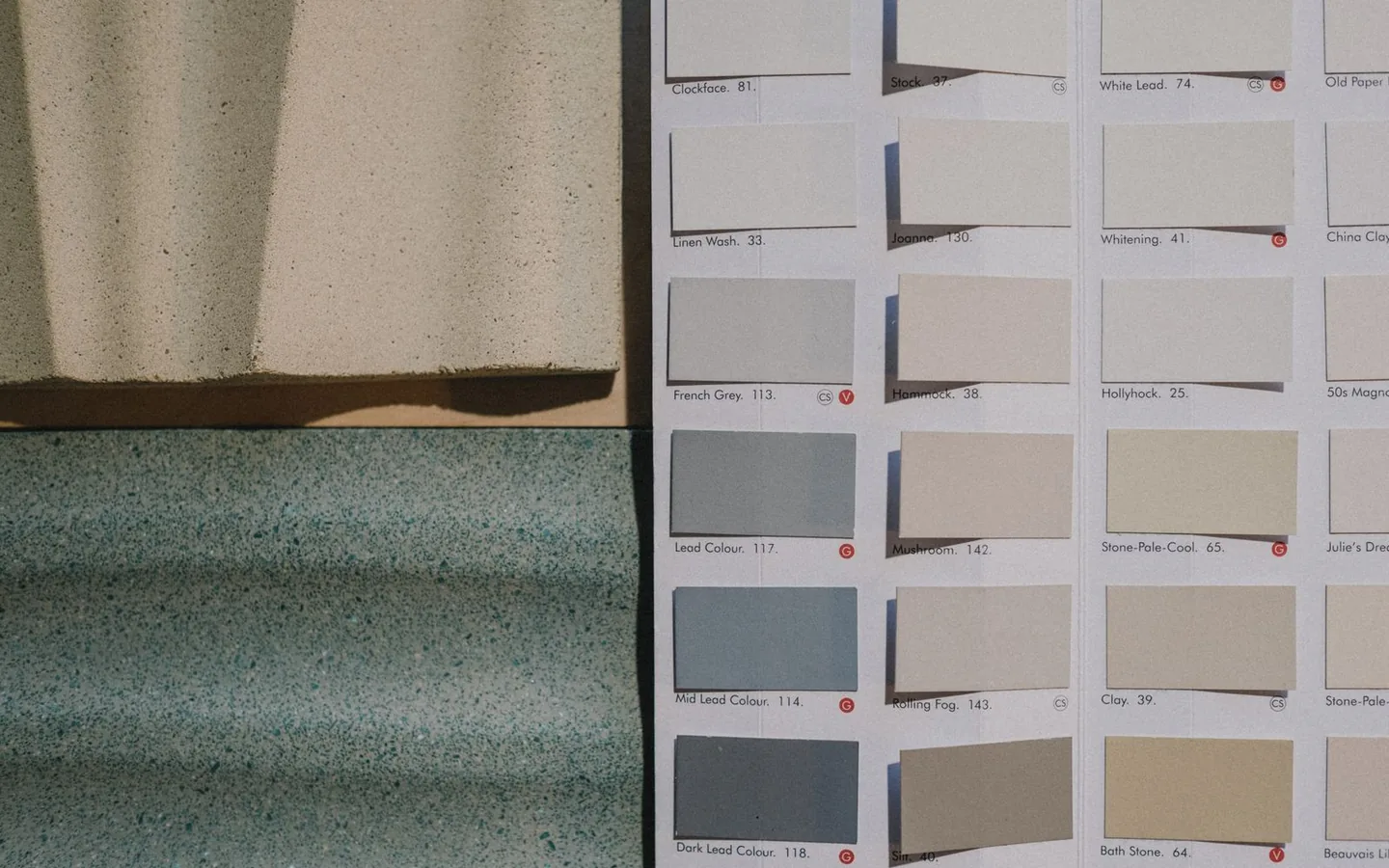
A small design sample is sometimes sold in a different formulation or sheen. It is useful for narrowing color, and the label should tell you which part of the decision it represents. For a final comparison, use the actual product and suitable sample surfaces. Let each coat dry according to directions and give the sample enough area to see its texture. Set it upright. Stand in the doorway, move along the room, and look back from the place where you sit most often. Keep separate labels for color, base, sheen, and product line.
If two products look almost identical, compare how the manufacturer says each should be applied and maintained. One may call for a particular primer over a previously coated surface, or need more time before it can be washed. Think about the equipment and time that are actually available to the people maintaining the room. A finish that is easy to clean with a cloth might be different from one designed for periodic intense scrubbing. Ask how a spot repair is likely to appear and what to do if the color changes across a patch. Try any approved cleaning test on a cured sample first.
Keep the specification close to the spare paint
A useful paint record includes the room, surface, product, color formula, sheen, primer, and approximate time of application. The words white walls on a receipt offer little help when the room needs a repair. Label any retained paint and store it as directed. Write down which walls were recoated together, as one wall may have been painted at a different time. If a repair is obvious in strong side light, a full wall between natural breaks can be easier to blend visually than an isolated spot. Confirm the approach with the painter or product maker.
Give the painter a finish schedule and walk through the house together. A kitchen cabinet, a plaster wall, and a previously stained handrail can all be near each other while requiring different systems. Ask what will be checked if the old surface looks different after a fixture is removed. Review the final work at the angles and under the lighting used for the samples. Product advice, good preparation, and a realistic maintenance plan give a sheen decision a practical basis. Once those are agreed, the remaining choice can come down to how softly or clearly you want the room to hold the light.