Choose a Rug by How It Will Be Used and Cleaned
Compare wool, cotton, plant fibers, and synthetics using weave, backing, stability, and the care the room expects.
Match a rug's fiber, construction, backing, and written care guide to its location. Check its full thickness and stability, and choose a size and cleaning method you can manage after routine spills or dirt.
Start where the rug will be least comfortable
Picture the wet shoe by the entrance, the dog returning from the garden, or the dining chair dragged across the same spot every evening. A rug may feel wonderful under a hand and be wrong for the action repeated on it. Write down the two or three events it needs to handle, including the person or appliance that will clean it. Use that description when you talk to suppliers. The questions for a bedroom mat beside a bed are quite different from the questions for a rug beneath a table. A soft bedroom rug could promote comfort and a dining rug might need to release crumbs with less effort.
Look at the floor the rug will cover. Ask the flooring maker and rug supplier about suitable backing and pads, including use over flooring with a finish or heating. Test how the proposed thickness affects doors, furniture, and movement. A soft pile can have an attractive edge and make it harder for wheels or someone with a mobility aid to cross. Consider how each person moves through the area before selecting a height. Many useful rugs look unobtrusive because they stay stable and behave predictably. Put those qualities on the list with the color and feel, especially at a turning point or on a busy route.
See what the construction does to a fiber
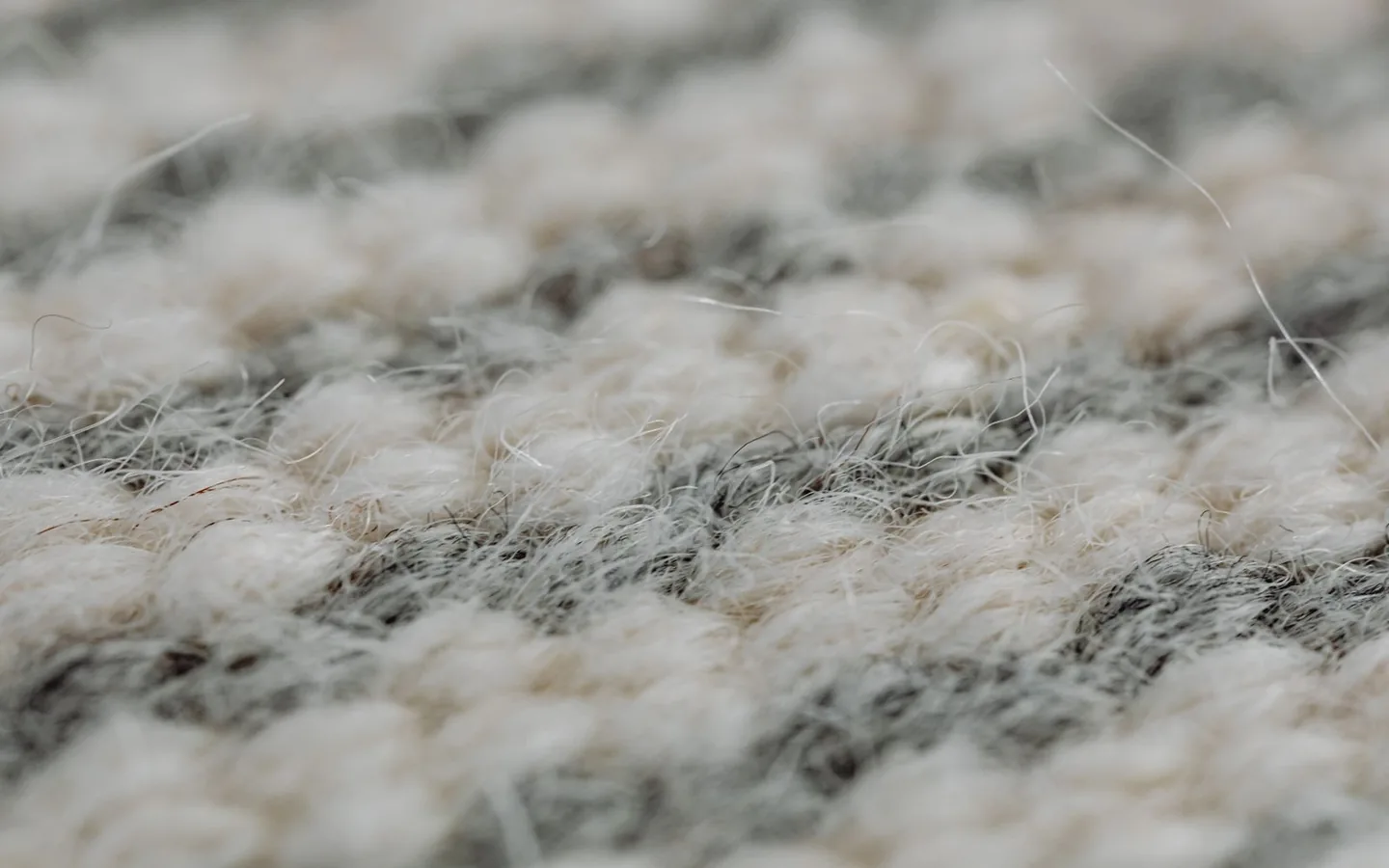
Wool, cotton, plant fibers, and synthetics describe some of the material, while weave, pile, yarn, dye, and backing explain much of the rest. A low, dense weave feels different from a deep tuft made with the same broad fiber type. Loops may be vulnerable where claws or shoes catch them. A fringed edge can matter more in a busy approach than anything in the center. Examine the corner and back as well as the surface. Ask how loose fibers, shedding, or loose threads should be dealt with according to the maker. Check how the rug behaves after turning it over and around several times.
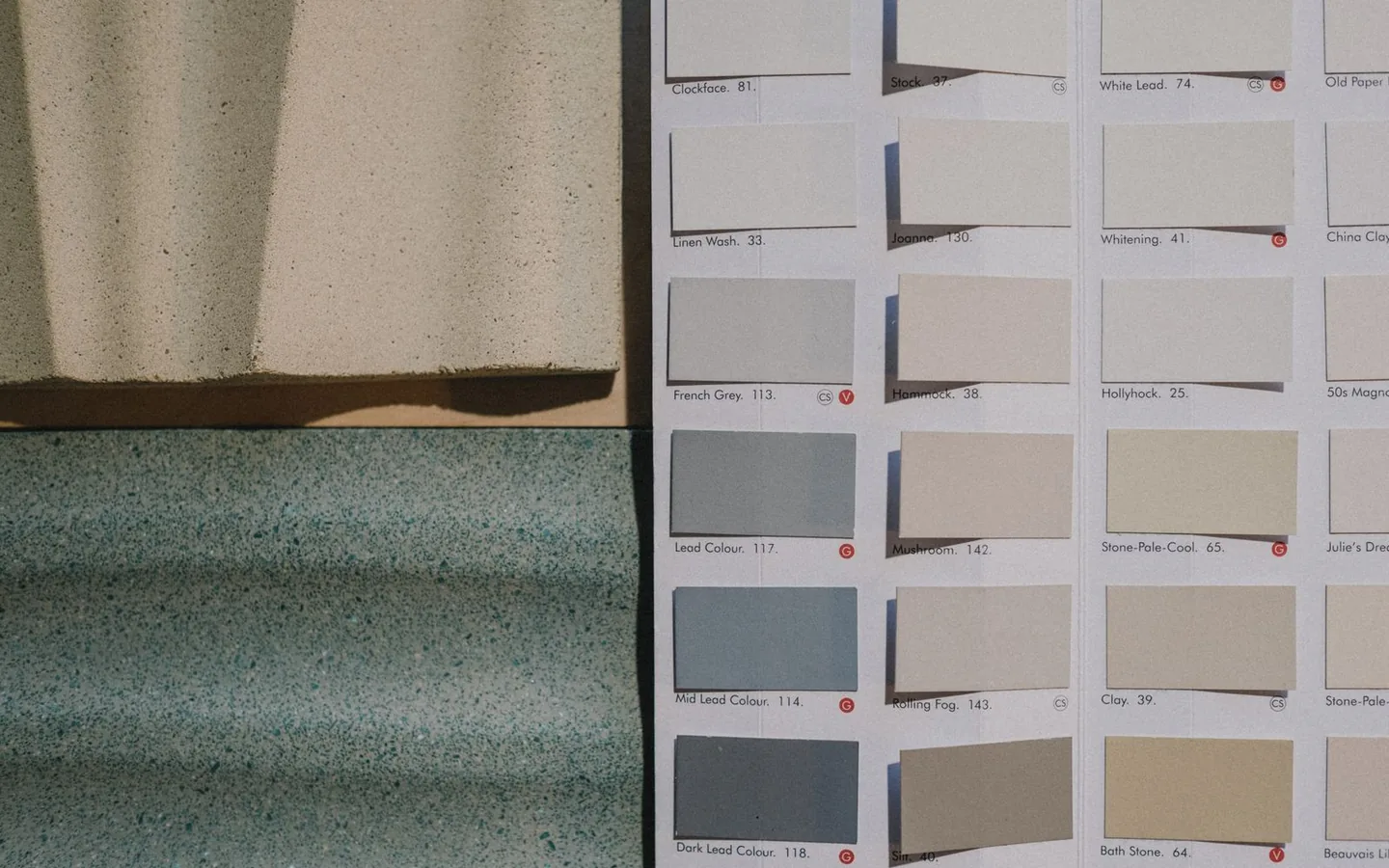
If you care about the exact color, lay the rug or sample in a similar orientation to the one intended. Direction and light can change a pile's appearance. A narrow swatch seen in one light does not tell you how a large rug relates to a sofa or how the color changes as you move around the room. Compare the sample in daylight and at night. Some rugs create visible lines when vacuumed in different directions. See whether that is a detail you will enjoy or want to avoid. A low-contrast pattern can make a small room feel calm while still revealing texture at close range.
Treat wool as a collection of products
Wool can suit a room where comfortable texture and a surface with depth are valued. Compare the manufacturer's guidance on cleaning and any limits involving water or spot treatment. Ask what the actual backing is and what the maker says about shedding and suction. Distinguish extra fibers that appear in normal use from a damaged area that needs attention. A wool rug with a compact weave may have a different feel and maintenance profile from a deeply tufted one. If the rug is expensive, see whether a cleaner familiar with the construction is available in your area before relying on periodic specialist care.
Consider mixed fibers in the same way. A blend can change the feel or visual effect, and the care guidelines still depend on the whole product. If the rug has a substitute material on the back, a decorative border, or a different thread in the pattern, ask whether that introduces a cleaning limitation. At a dining table, protecting the valuable part of a wool rug may mean changing habits around spills. If that would annoy the household, try a less demanding finish for that location. Save the product you most enjoy for a part of the home where the expected use supports it.
Compare cotton and plant fiber rugs as complete pieces
Cotton is available in a range of constructions, including flat woven pieces that can be easy to move. Some smaller pieces have instructions that allow washing. Verify the entire rug and what is required to dry it, rather than assuming its base fiber makes the complete product washable. A dense wet piece can be heavier and harder to place than its dry size suggests. Look at the bindings and any backing where water exposure is expected. A rug that curls at an edge or shifts repeatedly needs a better arrangement for the room, or a different product.
Plant-fiber rugs can bring a warm, distinctive texture to a space. Look at the actual construction and treatment to see how it responds to expected moisture and cleaning. Some are intended for dry interiors and have specific guidelines for spills. Consider the texture where someone will regularly kneel or walk in bare feet. A robust weave can be useful at the foot of a sofa and uncomfortable as the first step out of a bed. A rug with thick knots or an obvious grain can provide plenty of visual character on a neutral floor. Match that character to how the surface will be touched and maintained.
Look past the label on a synthetic rug
Many synthetic products are chosen for a consistent look, a particular touch, or care options. The exact fibers, dyes, and construction can vary. Read the intended location and the written cleaning method. A product marked for outdoor use may have instructions about drainage, drying, or sunlight exposure. A product with a washable top may depend on a particular pad or a suitable machine. Ask what happens to the backing when the top is cleaned and whether the cleaning instructions fit your facilities. Having a label that promises convenient care means little if the object is too bulky to handle in your home.
Inspect how a sample behaves under ordinary foot movement. A dining chair that catches on a deep surface can make sitting down unpleasant. A closely woven rug that is easy to vacuum might feel too stiff in the reading corner where somebody likes to sit on the floor. Try the useful actions rather than comparing samples only by fabric names. If a rug will sit in regular strong light, ask what the supplier can say about the effect on the actual colors and material. Consider moving the rug within the room if the layout calls for even wear or if a hardwood floor will experience uneven light.
Draw the final size with the furniture open
Use paper or removable tape suitable for the underlying floor to see where the edges will land. A dining rug should be judged with chairs pulled out normally, including at the ends that get used. In a living room, decide which feet of each piece will be on the rug and whether that keeps furniture level and stable. Low pile can help where corners meet a route, provided the complete rug and pad behave as intended. Check doors and grilles. An entry rug can be too deep to let the front door operate or can obstruct a path somebody uses while carrying something.
A small size can fit well when it belongs clearly to a task, such as a comfortable landing beside a bed. At the main seating area, a slightly larger size can connect separated furniture visually, but only where the edges leave appropriate space. Look from the entrance and from the farthest seat. If the planned rug makes the furniture appear crowded, try a different shape or change where the arrangement sits before replacing any pieces. Ask whether the manufacturer accepts returns after an at-home examination and follow the conditions. This can make a final color or scale check easier where no large sample is available.
Plan for one actual spill and one actual repair
Get care information before buying. Ask how to deal with a fresh spill, how to test approved cleaners, and when a professional should be called. If a supplier recommends blotting and cleaning with a specified product, make sure the household knows where the instructions are and can follow them. Keep the particulars for the exact rug, as one treatment can behave differently on another material or dye. Check whether the underside needs to be inspected or dried after liquid goes through. A valuable rug with a limited cleaning method is easier to own when the plan is known in advance.
A worn binding or missing length of decorative fringe can change the edge more than ordinary flattening in the middle. Ask whether suitable repairs are possible and how an altered edge might look. Keep dimensions, labels, and the name of the seller. When a rug will see unusually hard use, compare the local availability of cleaning and repair with the alternative of an easily replaced size. Cost is the complete commitment to the piece. That includes whatever pad, fitting, and maintenance it requires. A less expensive rug that creates trouble every week may represent poor value even before a replacement is due.
Choose comfort that survives the routine
Give each final candidate a single sentence explaining why it belongs in its proposed spot. One could read, the low woven surface clears the hall door and works with the pad recommended for the floor. Another could say, we enjoy the deeper pile beside the sofa and nobody will need to cross that edge on the way through. If that sentence is about pattern alone, go back to use and cleaning. The more the rug encounters sunlight, moisture, or heavy traffic, the more the explanation should contain a practical point. Make sure the product information actually supports that point.
After placing the rug, give the household a few ordinary days with the new arrangement. Check whether the front edge stays where you intended, whether a chair leaves a troublesome groove, and whether the usual vacuum or care method is convenient. Make adjustments to position or padding using compatible products and guidance. A rug works well when people enjoy the feel of the room and continue to move, clean, and sit there normally. The material, construction, backing, and placement contribute together. Judging that whole arrangement makes it easier to pick a piece that remains pleasant after the first impression.