Choose an Interior Door for the Room It Separates
Compare hollow-core, solid-core, wood, and glazed doors with their frames, hardware, sound, light, and finish included.
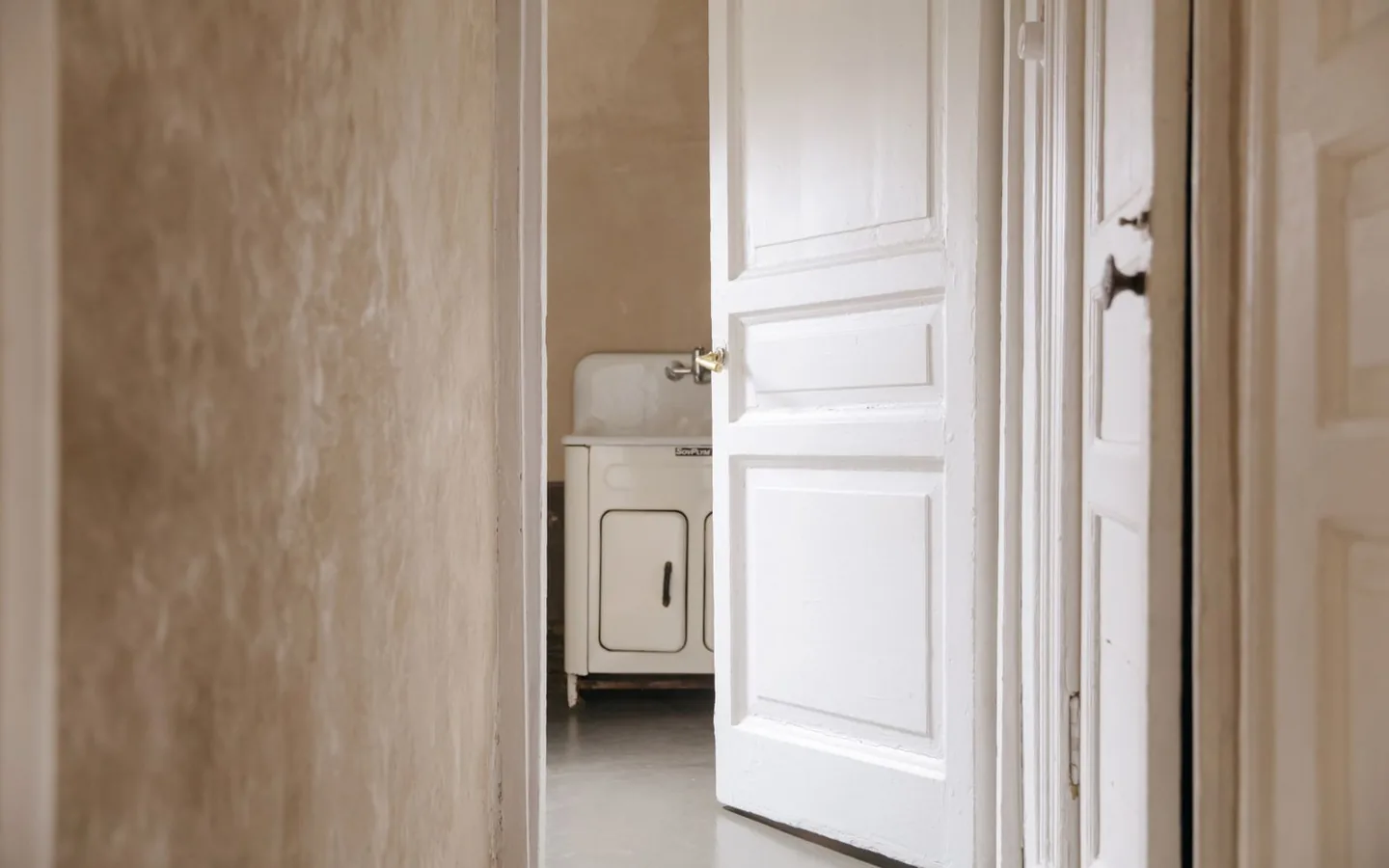
Choose the door and frame as an assembly. Put greater weight on sound and privacy for bedrooms or studies, light transfer for a dark corridor, and compatibility with humidity and hardware where those conditions matter.
What should change when the door closes?
A door between a study and a living area should help somebody concentrate. A door into a dark hall may be more valuable if light can still reach the corridor. A cupboard door might need to sit quietly in the surrounding wall and open several times a day without obstructing its neighbor. Write down what changes when each proposed door closes. Privacy, sound, light, draughts, and storage can all matter, but their order is different around the house. A set of visually related doors does not have to use the same construction or the same degree of glazing everywhere.
Record which current openings already work. A sturdy existing door with awkward hardware may benefit from new or appropriately adjusted fittings. A good leaf that has shifted in an old frame can reveal something about the opening rather than the material. If you are planning several replacements, take dimensions and photos for each, with the existing doors open and shut. Small differences between openings can affect cost and installation. Decide whether there is a reason to preserve an original profile, fitting, or glazed detail. In an older house, a sound old door may offer a better visual fit than the closest stocked replacement.
Read the door construction under the name
Hollow-core doors are often lighter than solid-core alternatives of a similar size. Ask what is inside, where hardware can attach, and whether the leaf can be trimmed to fit the opening. Two doors described by the same broad term may carry different instructions. A lighter leaf can be suitable for a low-use cupboard or a room whose privacy does not depend heavily on it. It may behave differently if someone wants to attach a heavy hook, change a lock, or repair a high-impact edge. Product details matter more than a quick weight comparison in a shop.
Solid-core doors can have more mass and a different feel in motion. Ask what kind of core and faces the selected product uses, and how the maker specifies support. A heavier leaf may call for different hinges or a frame in sounder condition. Look at sound as an assembly, including gaps, seal design, and the surrounding partition. A door alone cannot account for all the routes sound takes between rooms. If speech privacy is an important requirement, ask a qualified professional to identify the limiting paths. A better leaf can deliver less improvement than expected if most of the sound follows a different route.
Compare real wood, veneers, and painted faces
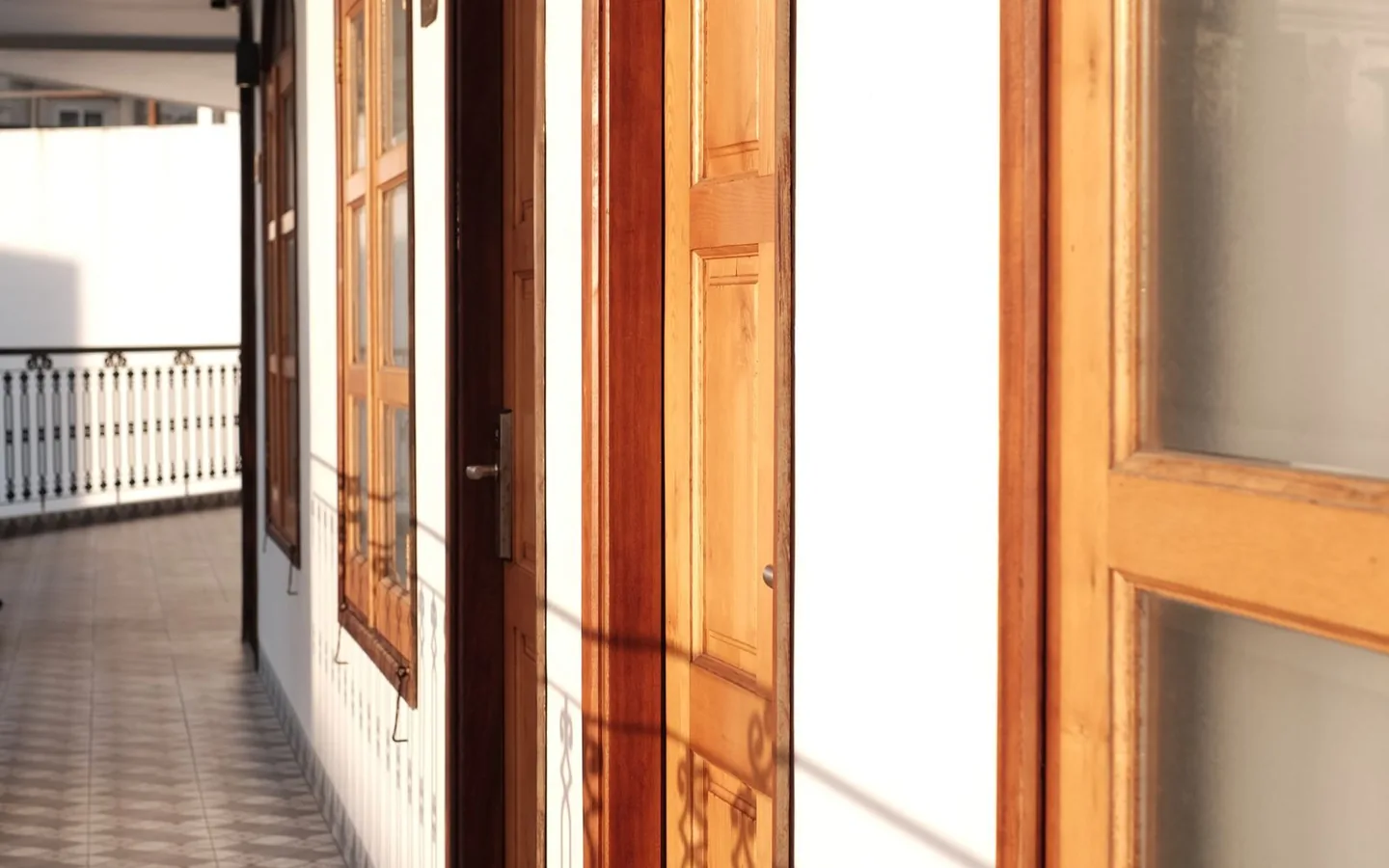
A wood door can provide interest at the end of a hallway, even if its outline is simple. Check which parts of a door are solid timber and which are veneered or constructed, and ask what the manufacturer says about moisture and dimensional changes. Look at full-size examples where available. Natural color and grain vary, and a paneled door can show that variation differently from a flush leaf. Consider whether the surface can be restored and how the proposed finish will respond to sunlight in a room with a large window. Discuss matching around a group of doors if the grain is important.
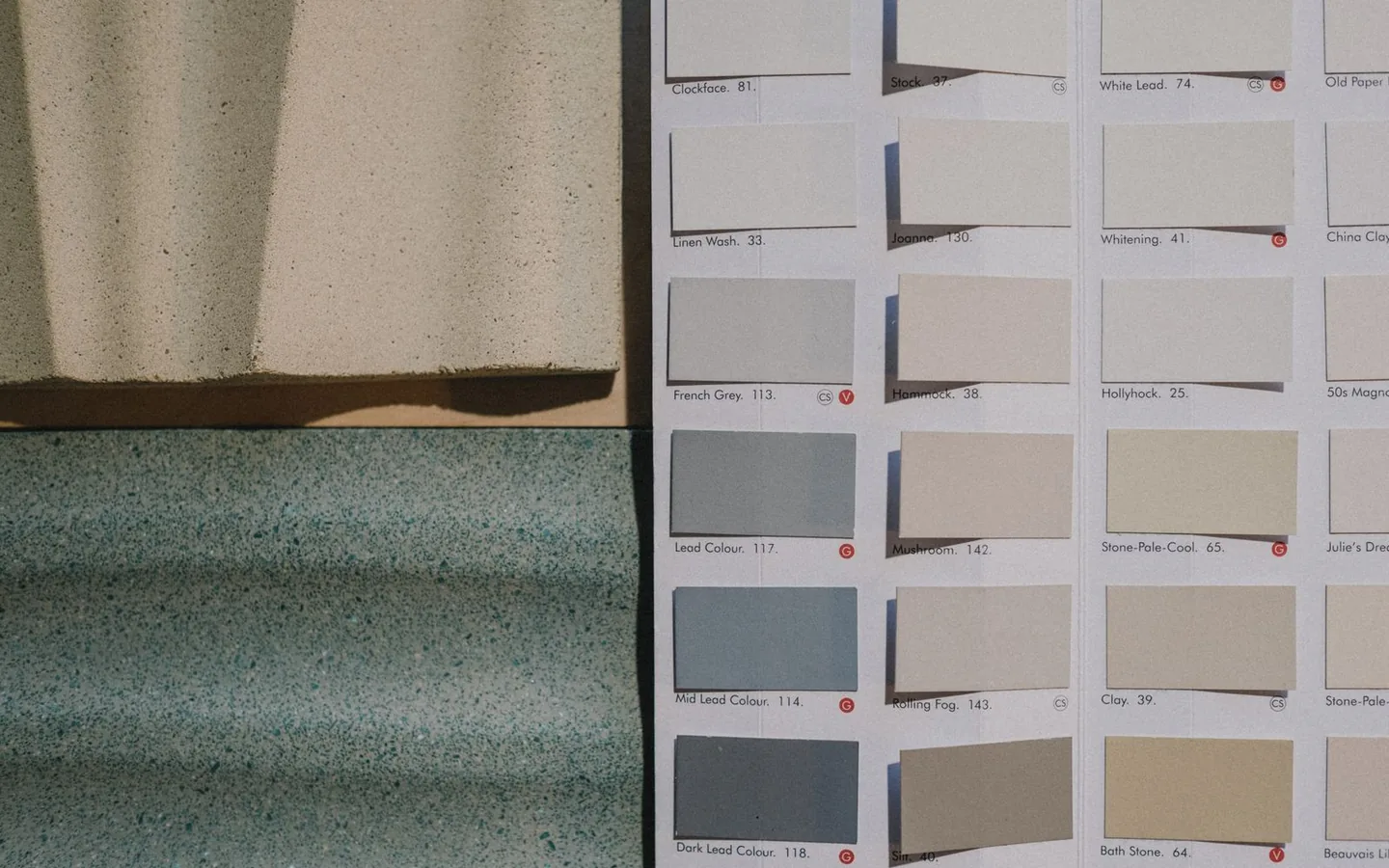
Painted doors can recede into a wall or create purposeful contrast. Compare a finished edge and hinge side as well as the face. A factory finish and a site-applied paint system might have different repair procedures. The substrate, coating, and installation conditions all affect how a door holds up to cleaning and knocks. Ask whether new doors must be finished at the top, bottom, or around any cutouts according to the product instructions. Keep information about the finish somewhere near maintenance records. Ten years later, a short note about the product is more useful than a guess at the original color.
Use glazing where a closed door still needs to pass light
Glazing can benefit a dark corridor or let people see whether an office is occupied. Decide whose view you should preserve and whose privacy you should protect. Clear glass overhead passes a view differently from a broad clear panel at eye level. Patterned or translucent glass can obscure detail, but outlines and movement may become visible when one room is much brighter than the other. Test or inspect the actual glass under relevant conditions. Compare what happens at night when somebody keeps the door closed and the lights are on. An amount of visibility comfortable in daylight may work differently then.
Ask for suitable safety glazing and an assembly intended for the opening, including any required building performance. Check how glass changes weight, cleaning, and sound in the proposed door. A wide glazed section gives a different feeling from a tall slit or a small upper opening. Consider whether curtains, furniture, or screens would reduce the benefit inside either room. If the goal is to light a dark approach, compare sending daylight through the door with improving lighting in the hall. A glass choice deserves attention to the actual problem it solves, particularly if privacy is a reason the existing door remains shut.
Specify the frame, fitting, and route together
Put the swing or sliding path in the room layout. Look at the movement while somebody enters with a full bag. Check a door behind a chair, a handle near a cabinet corner, and a window treatment held by a wall on the same side. A clear opening does not start at a nominal width if thick stops or projections reduce it. If a door needs to serve people with limited mobility, work with the designer to plan space, suitable hardware, and any other requirements. Consider movement on both sides. Changing the direction of a swing can improve one room and make the adjoining route harder to use.
Ask whether the frame is sound and compatible with the proposed door. If the openings are being changed, check what is built into nearby walls and who will finish the surrounding floor and wall. A painted frame may be able to remain with limited adjustment. An irregular existing opening can make a newly made straight door look out of line. Look at two neighboring openings from the far end of the hall. Agree on where minor differences are acceptable and where an alignment has to be held. Measure with the finish thickness in mind if a new floor, threshold, or adjoining wall treatment will follow.
Listen to the doors while they work
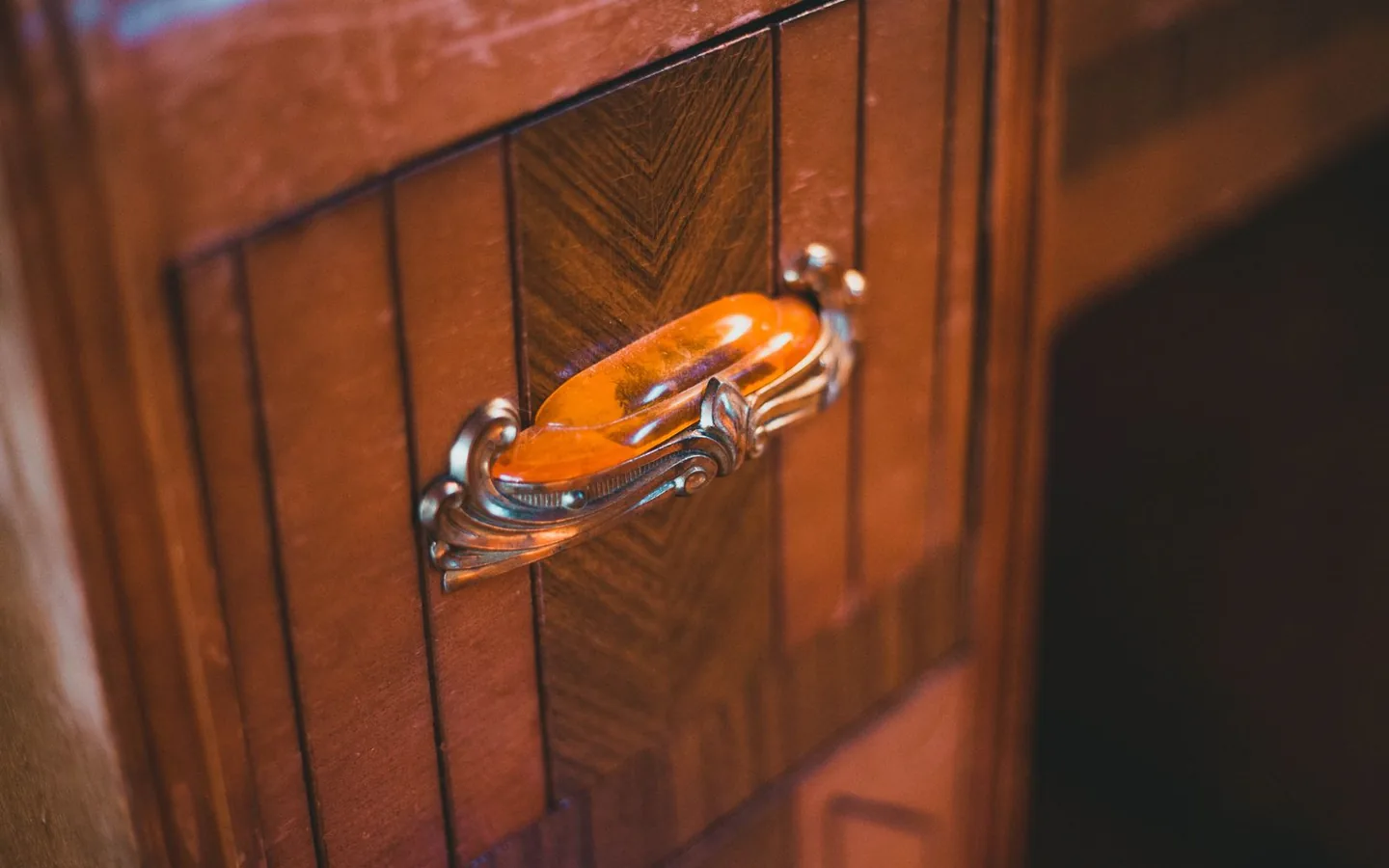
The main annoyance in a family house may be the latch sound at night rather than the amount of speech coming through a closed door. Operate examples of the hardware and see how they feel from both sides. Thin grips, a handle with a long action, and strongly sprung latches affect usability in different ways. Decide whether locks are necessary, how someone will know a room is occupied, and whether suitable emergency access is required. If privacy or accessibility is especially important, use a full trial with the people who will use it. A hardware finish you enjoy seeing should also be comfortable to touch.
A door with seals may reduce some sound paths when specified and installed as part of an appropriate assembly. Consider whether the same opening serves air movement for an existing ventilation system. A change in gaps or seals can have consequences elsewhere. Ask the relevant trades to review that interaction and what should be verified before work is finished. In an apartment or at any required separation, consult the building and relevant professionals about the correct complete assembly. A rated opening can only be assessed with all of its components and the installation considered. Check whether proposed changes to hardware or finishes are allowed.
Pay for the change where it has a useful effect
Rate the existing function of each doorway from the point of view of people who use it. Work on the most intrusive problem first. A bedroom can benefit from a more useful assembly while a matching cupboard front uses simpler construction. A daytime workspace might need light borrowed through part of a door and a comfortable grip more than a distinctive wood grain. Use a coherent relationship between casing lines and visible finishes to tie doors together. A hallmark of a well-considered choice is that a person can explain why the construction changes as you go from room to room.
Ask for prices that include leaf, frame if required, hardware, installation, finishing, and reinstating nearby surfaces. Compare what is required to make an old door close well with the full cost of replacing it. Verify whether finishing will happen before fitting, on site after adjustment, or through a combination. If a door must be ordered early, check who will confirm final finished floor height and what tolerance the proposed product allows. Document the swing and inside and outside appearance from the same reference so a new piece arrives ready for the opening that was measured.
Make the handover include opening and closing
When the work is ready, walk the routes you planned. Open the door at a pace people actually use, try the latch from both sides, and test it after adjoining hardware and floor coverings are in place. Look for points where a handle or edge could contact a wall, a person, or nearby furniture. Check the light transfer and privacy at the time of day that drove the spec. Observe the view with several doors open. A plan relying on one leaf usually staying shut can behave differently with company or during a day of housework.
Ask how minor adjustments should be handled as finishes settle or everyday use reveals an issue. Keep copies of care information and part references for hinges, latches, and anything unusual. Record which opening takes a special component. If two rooms use similar doors with different construction, that information will make future repairs easier. The goal is an opening that gives you the right amount of enclosure and a comfortable movement from one space to the next. The most relevant comparison is how well the whole door performs that work in the room it actually serves.