Make More of the Daylight in a Compact Room
Read the light across a whole day and use furniture placement, window coverings, finishes, and glass to preserve it.
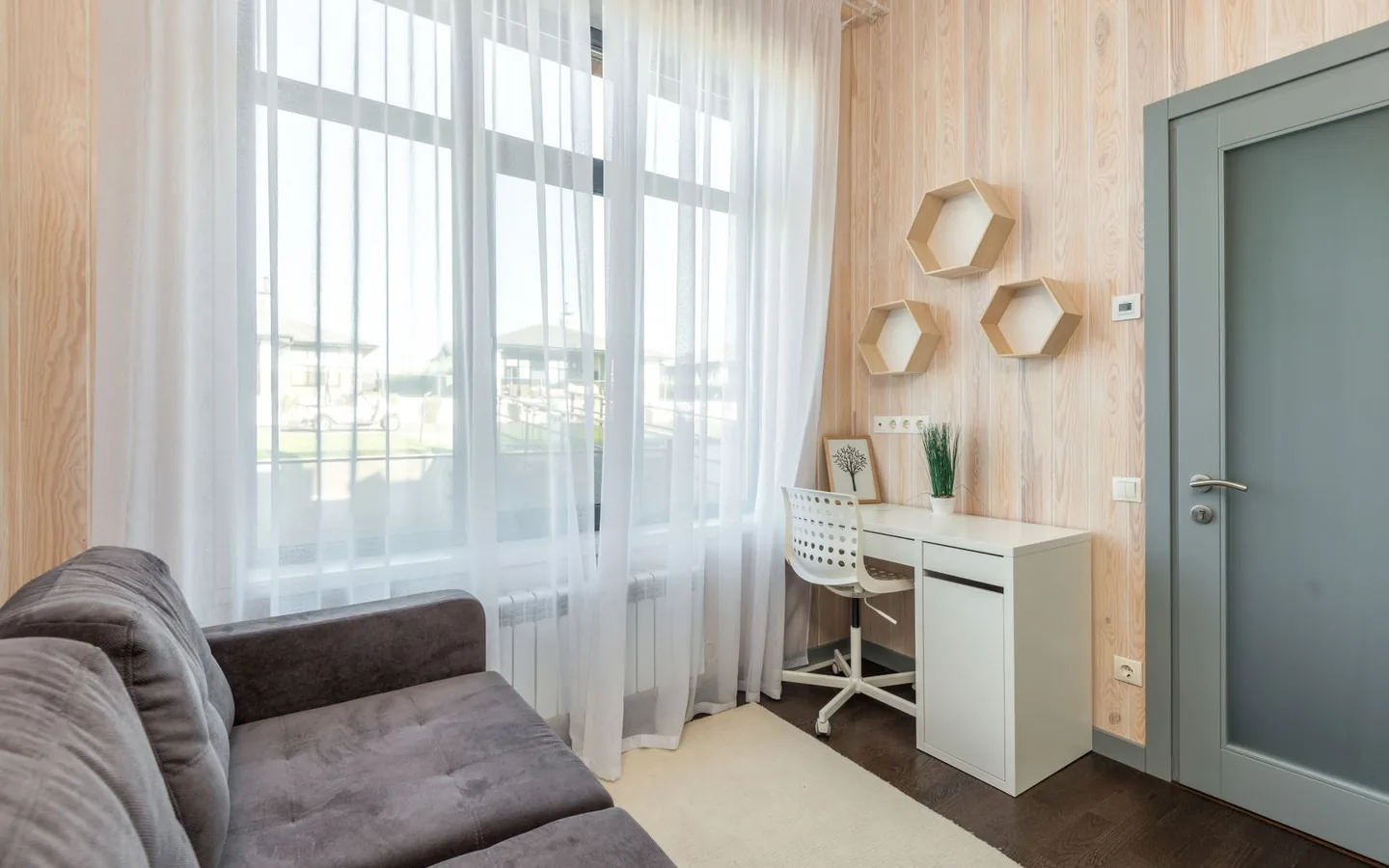
Observe which way light travels and where it stops. Free the area near the window, use adjustable coverings, and test pale or softly reflective finishes in the actual room before considering structural changes.
Let the room show you where the light goes
Take a photograph from the same doorway in the morning, near the middle of the day, and later in the afternoon. A compact room may have a bright rectangle beside the window and a dark surface a few steps away. The difference can be more useful than a general description such as north-facing or low light. Other buildings, overhangs, trees, and the window's height determine where the usable daylight reaches. Watch where someone reads comfortably and where they switch a lamp on out of habit. Note whether the issue is overall brightness, an abrupt dark corner, or glare at one seat.
Make a second set of notes when the weather is overcast. A direct patch of sunlight can suggest that a room is brighter than it is through the rest of the day. The white surface that looks comfortable under diffuse light might be too bright when the sun reaches it. You are looking for the conditions that matter for the room's actual use. A bedroom may only need enough morning light to get dressed easily. A studio with a dining table and daily desk work may need a more even level for much of the day. Give the design a specific job to do.
Look for the obstruction closest to the glass
A tall cabinet, an open window shutter, or a full stack of drawn curtains can cut off part of the view of the sky from inside. Stand at the area you want to brighten and look toward the opening. If much of the window is hidden behind furniture or a shelf, experiment with one change there first. Keep required space around heating, ventilation, and window operation. In rooms where the main window is above a radiator, a deep sofa may take up space that both the heater and the daylight need. Pulling it further into the room could help one problem while narrowing a walkway, so check both.
Try a lower piece nearer the window if the arrangement still needs storage there. A bench or shallow table can receive light without obscuring as much of the opening from the rest of the room. Keep windows and required routes accessible. Move the tall item to a location that already receives less daylight where it can still be used comfortably. If that is the only tall storage, check that its door and drawers remain accessible in the new position. One trial can reveal whether the main issue is the amount of light the window admits or the spread of light after it arrives.
Consider what the window shows as well as what enters. At the end of a long room, a clear view of a patch of sky or foliage can make the space feel less enclosed. Keeping that sightline open is sometimes more effective than moving a desk directly into the brightest square. Sit in the usual seat and place something tall where you expect to store it. If the object hides the view without providing a benefit needed at that point, try it on a side wall. A narrow plant stand, a lamp with a slender base, or an open leg on a small table can leave the window legible while putting that corner to work. In a room used by several people, compare sightlines from both sides. Someone on the sofa may appreciate an open view while a person standing near the window needs a controllable screen for privacy. An adjustable arrangement can respect both.
Choose coverings by when they need to work
A window may need several different things from its covering. A ground-floor sitting room might need privacy by day and a firmer barrier after dark. A bedroom may need good darkness for sleeping and as much morning light as possible once privacy changes. Find out whether the current covering allows distinct positions, or whether it is normally shut because the alternative is fully exposed. A sheer, a translucent blind, and a more opaque layer admit light and obscure views to different degrees. Evening conditions can reverse what is visible from outside, so test privacy with the room illuminated as it will be used.
Look at how much of the glass the covering occupies in its open position. Drapes that bunch across a narrow opening can noticeably change the useful width. Compare the actual folded dimensions and available wall, or consider a compatible covering that clears more of the aperture. Select safe controls and a configuration suitable for the household. Check reach, opening handles, cleaning, and whether a bathroom or kitchen environment requires a particular material. If summer glare or heat prompts the curtains to close every afternoon, solving that condition may be the most effective way to keep useful daylight available for the rest of the year.
Use finishes to spread light gently
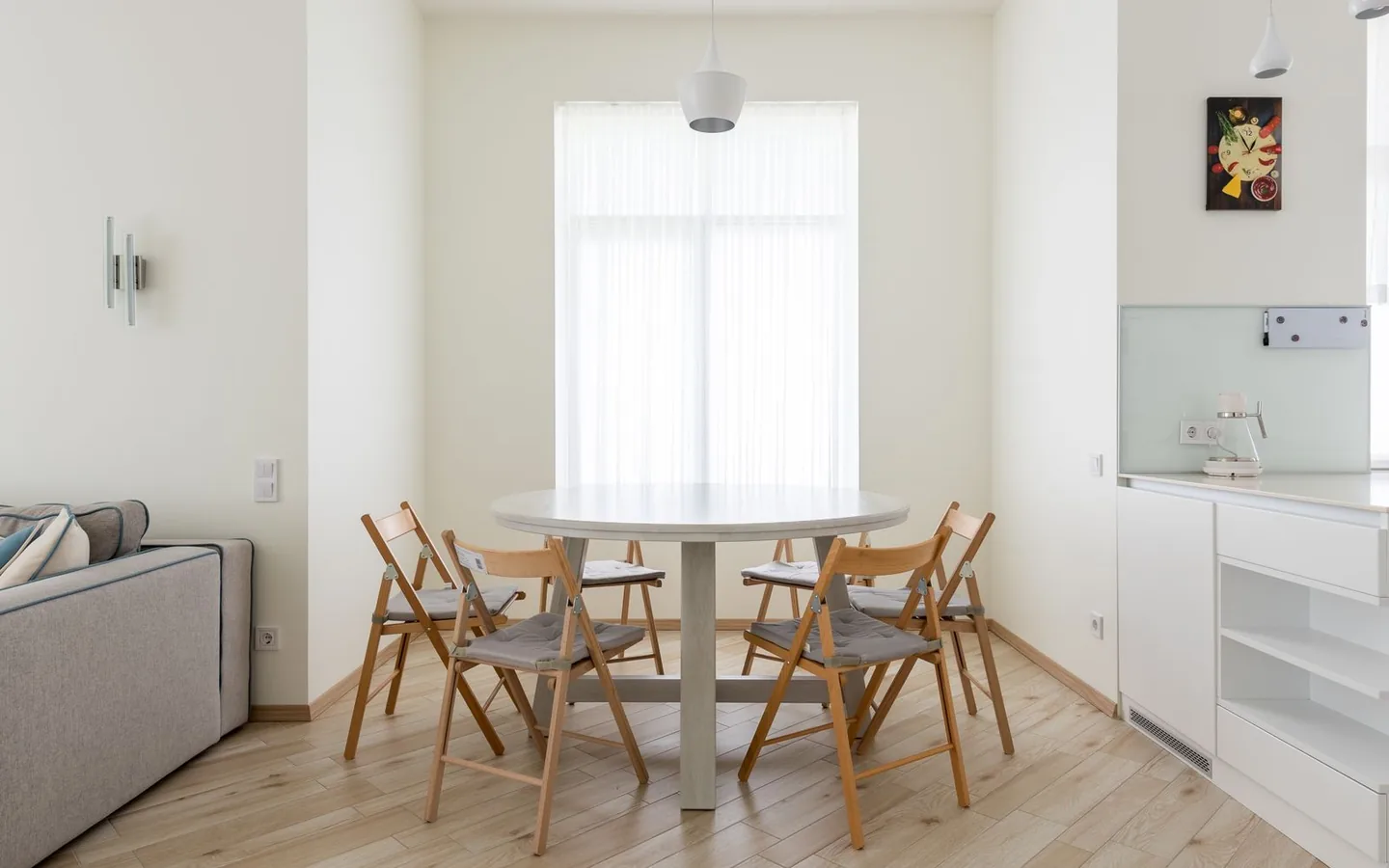
Place a light and a mid-tone sample next to each other on the wall that seems most dim. Look at them both when the window is strongest and at the room's usual darker hour. A pale wall can help a room benefit from light that reaches it. If the pale sample consistently looks grey and lifeless, assess whether the surrounding surfaces or limited illumination influence that impression before ordering paint. The floor also plays a role. A large dark rug can absorb more of the light reaching the center of the room, while a softer lighter surface might make the floor appear continuous.
Avoid judging color alone. Glossy surfaces can send a bright reflection into a specific viewpoint, and matte ones give a different visual spread. A very shiny white cabinet facing a low afternoon sun may create glare at a nearby desk. A panel with a slight sheen could offer enough definition without that distraction. Put a board on the intended plane, stand and sit where it will be seen, and watch it at different times. Furniture, curtains, artwork, and flooring can change the way a wall's color reads. Save samples from choices that will stay fixed so the room's materials can be judged together.
Place mirrors where the reflection is wanted
A mirror can carry a view of light or a bright surface further into a room. Before choosing a large wall piece, temporarily position a safely supported smaller one and look at it from the entrance and all regularly occupied seats. A reflection of open sky can brighten the apparent view from one end of a room. A reflection of direct sun, a bright lamp, or a tangle of shelves may be less welcome. Try a side wall as well as a wall across from the window. The effect depends on angle, height, and what the room puts in front of the mirror.
Privacy matters with reflections as much as with glazing. Someone at the door may be able to see a desk or bed through a mirror that is positioned to catch the window. Check the view from outside the room where relevant. Use suitable mounting for the wall and the product's weight, particularly near a door, above seating, or where someone could knock the item. Alternatives such as a pale wall, a lighter shelf backing, or a small glazed fitting can reconcile visual brightness with a room where a larger mirror would be too busy. Keep the trial focused on the view you want to change.
Make one light path useful to two areas
An internal glazed door or suitable borrowed light opening can pass some daylight from a brighter room to another. The result depends on the angle, the amount of glass, and whether something blocks light on either side. A higher glazed area can preserve privacy at eye level while allowing light to enter near the ceiling. A textured panel may handle privacy differently depending on what is behind it and which side is illuminated. Compare the actual sample where it will be used. Discuss sound, privacy, fire separation, and approval with appropriate professionals if you are changing doors, partitions, or openings.
A furniture-level change may achieve much of the same everyday effect. A bookcase across the middle of a room can block light even where its upper shelves seem open. Try using low storage to indicate a change of activity. A workspace along a side wall can gain indirect light and leave the area nearest the window available for reading. When a divider is essential, look at the height and opacity required by the activity it shields. A home office might need to hide a visible screen without requiring a solid barrier up to the ceiling. A removable trial can reveal the most useful height before anything permanent is commissioned.
Keep a place for the light you already have
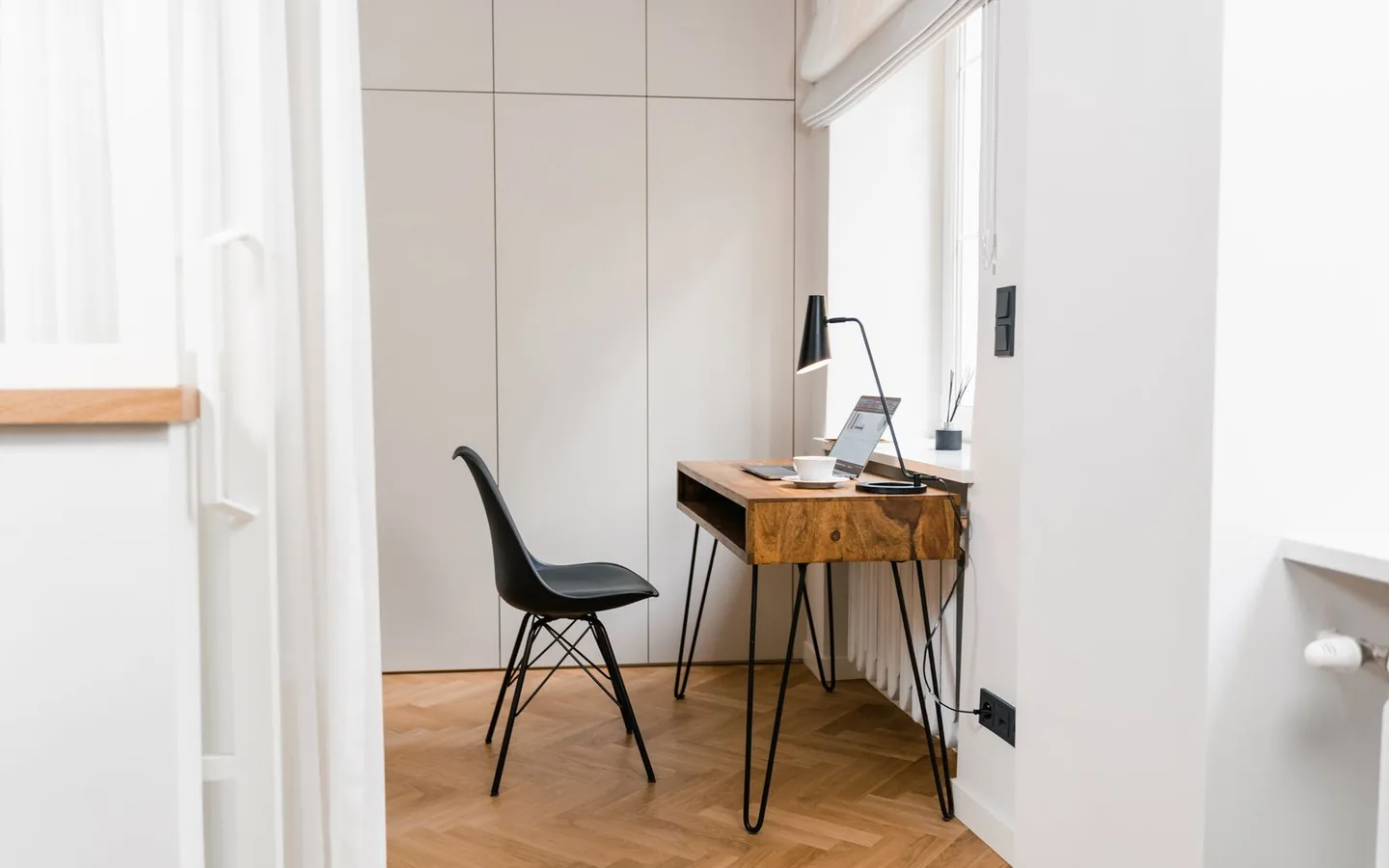
Plan artificial light alongside daylight. A wall that stays dark most of the afternoon can become a usable part of the room with an appropriate lamp. Task lighting near book pages or a work surface helps make use of the room without increasing glare across it. Keep controls reachable from the route and cables clear of paths. Try shifting a desk so the window is beside it if a screen directly faces the glass or has bright sky behind it. Ask the person who spends most time at the desk to judge both comfort and visibility before selecting any permanent furniture.
Measure improvement by observing the room after the temporary changes have been in place for a while. Did the lamp near the sofa turn on later? Did someone stop closing the blind for the whole afternoon? Did a bright work surface remain comfortable on a grey day? A wide opening or new window deserves professional assessment of building constraints, climate, glare, and heat as well as potential light. For many rooms, moving one object and altering the way a covering operates will make the first useful difference. Keep the photographs you started with and compare the same views in similar conditions.