Buy Studio Apartment Furniture in the Order You Use It
Choose a bed, seating, storage, and a table for a studio apartment without sacrificing the route that connects them.
Choose the bed or sleeping setup and the main walking route first. Add seating, storage, and a work surface only when their full open footprint fits the daily layout and any changes you expect to make.
Begin with a normal Wednesday
A studio may need to support sleeping, working, eating, watching a film, and letting laundry dry in the same room. It does not have to do every task equally well at once. Write down an ordinary weekday, then put a mark where two activities overlap. A person who works at home needs a comfortable place through the day. Somebody who cooks and has friends over may benefit more from a small table than from a pair of occasional chairs. A good weekday plan makes the most frequent things easy. Think about overnight guests, large meals, and other less common uses after the everyday pieces have made a convincing drawing.
Give the apartment one route you can follow when the furniture is working at full size. It will connect the entry and bathroom to the kitchen, window, or another important opening, depending on the plan. Make that route clear with drawers open where practical and make sure any temporary obstruction can be dealt with safely. Consider windows, heaters, outlets, vents, and any features that must remain accessible. Mark them before visiting furniture shops. A studio's strength often comes from a short walk and the ability to see several usable places from one point, so protect the relationships that already work.
Decide whether the bed can stay out
A conventional bed is good at one important thing and needs no transition. If the floor can hold it and the approach remains useful, leaving it open might spare daily work. Test where somebody can stand to make the bed and how they reach a bedside light or useful shelf. In a small apartment a lower frame may keep a window and sightline open. A higher bed can provide storage if the user's reach and the floor area around the drawers allow it. Check what that storage is best for. A large compartment with difficult access may suit clean seasonal things more than items used every morning.
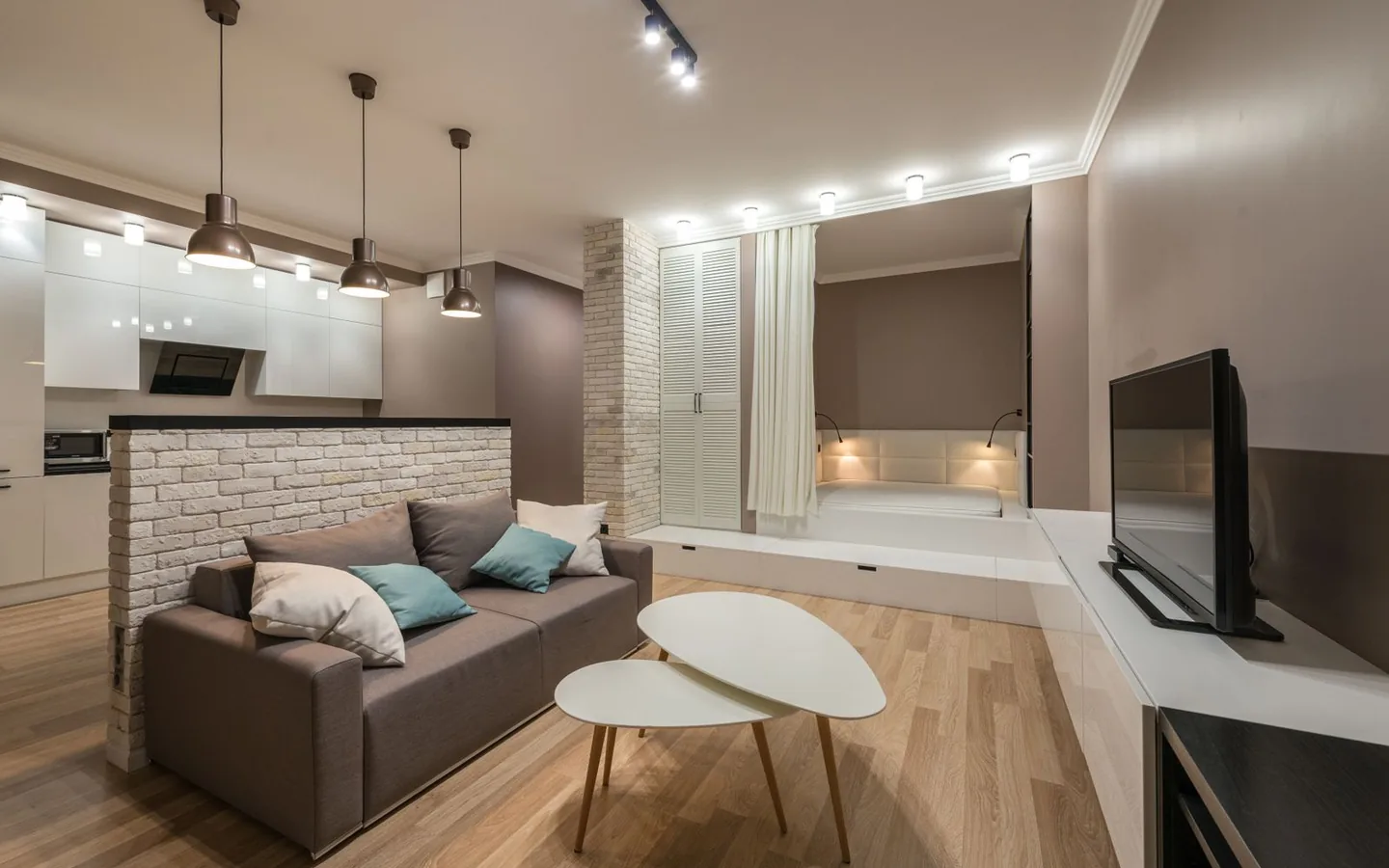
A sofa bed, wall bed, or foldaway sleeping surface can change what else the room does. Open the proposed piece to the full operating dimensions and decide what furniture must move first. Estimate whether you would carry out the sequence at the times when you are most tired. Ask about mattress comfort, ongoing hardware maintenance, and where bedding stays during the day. Any mounting or installation should suit the building and the product's requirements. A conversion that takes a short time and needs no lifting of unrelated objects has a much better chance of becoming ordinary than a layout change that involves reorganizing the entire apartment.
Meet the table and chair with an actual task
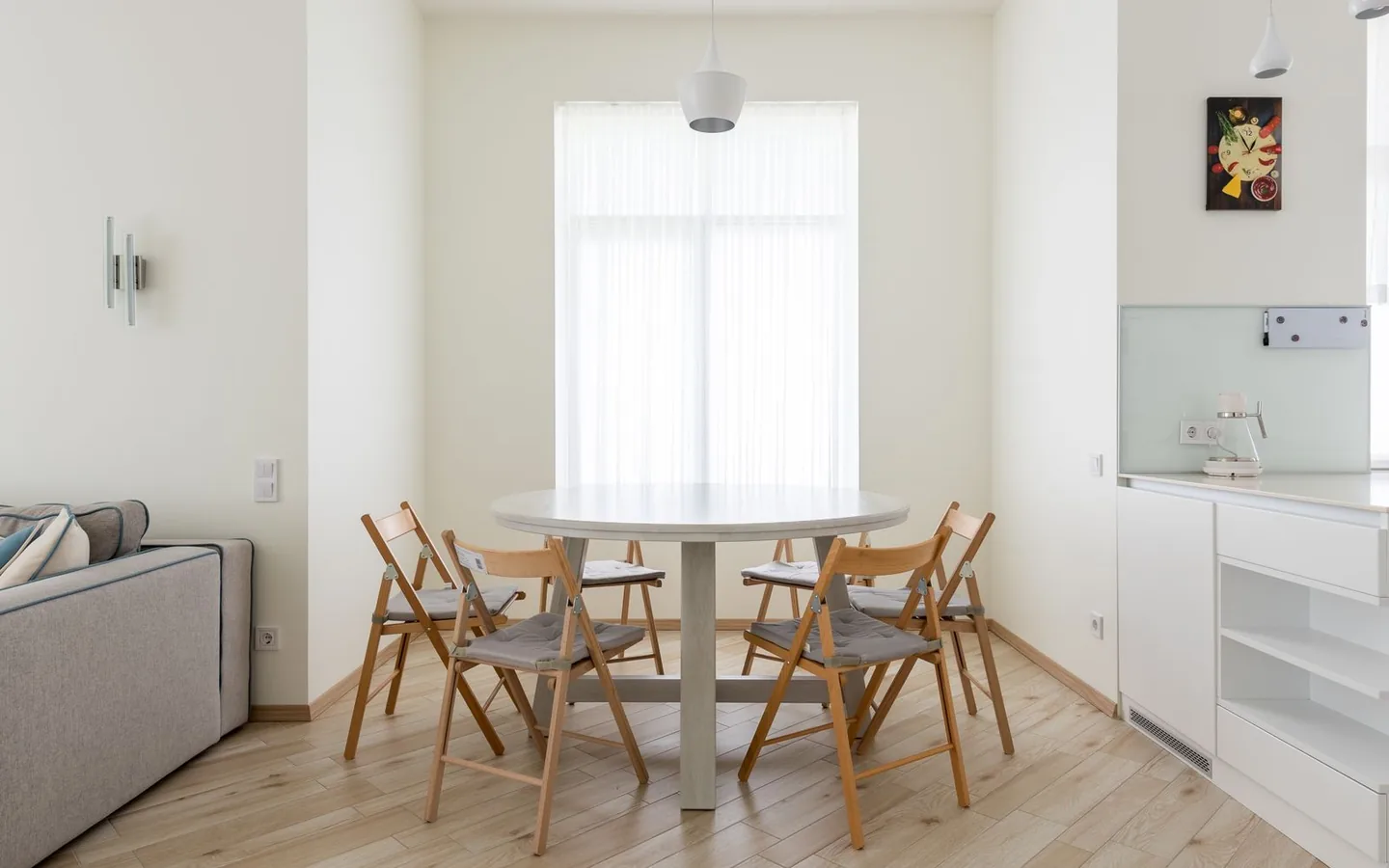
Try eating with the proposed depth, then repeat with the full work kit or cooking prep items the surface might hold. A shallow shelf can serve a laptop and a coffee cup while offering very little place to use a notebook. A round table can be hospitable for a few people and difficult to tuck against a particular wall. A rectangular table can live along the wall most days if the edges and seating work in that position. A folding extension can be useful if an open position still leaves room to approach the seats and reach the other parts of the apartment.
Choose a chair for the time it is occupied. A chair pulled out for an occasional meal can be lighter and easier to move than one used for regular desk work. If both tasks happen at one table, check how far the chair can pull in and how it feels at either activity. One seat may move from the desk to an evening guest position. Give it an ordinary place to live for the rest of the day. Each object in the plan should have a usable position put away as well as in service. Include those positions on the same drawing.
Pick the seating you want to come home to
Figure out who uses the seats together. One person who likes to stretch out may get more useful space from a small sofa than from two separate chairs. Somebody who frequently talks with a guest can use two seats at a slight angle, or a sofa and a chair moved from the table. Measure the available depth and consider whether there is space for arms, a side table, or an open storage compartment. An oversized piece can fill the whole area visually and leave too little usable seat. Try likely candidates if possible and compare the reach to a lamp and a small place to put a drink.
Check the view from the chair and from the bed. A low shelf can make a boundary without hiding the light. If a sofa faces the one clear patch of wall, verify any television or lamp positions and the route for cords. An arrangement that divides living and sleeping can use a rug, lighting, or the back of a piece of stable, suitable furniture. Keep ventilation, doors, windows, and walkways accessible. If the room has a short recessed bay, try a single seat there before building it into storage. The apartment may already contain the comfortable pause you were trying to create with several new pieces.
Recover volume without hiding the things you need
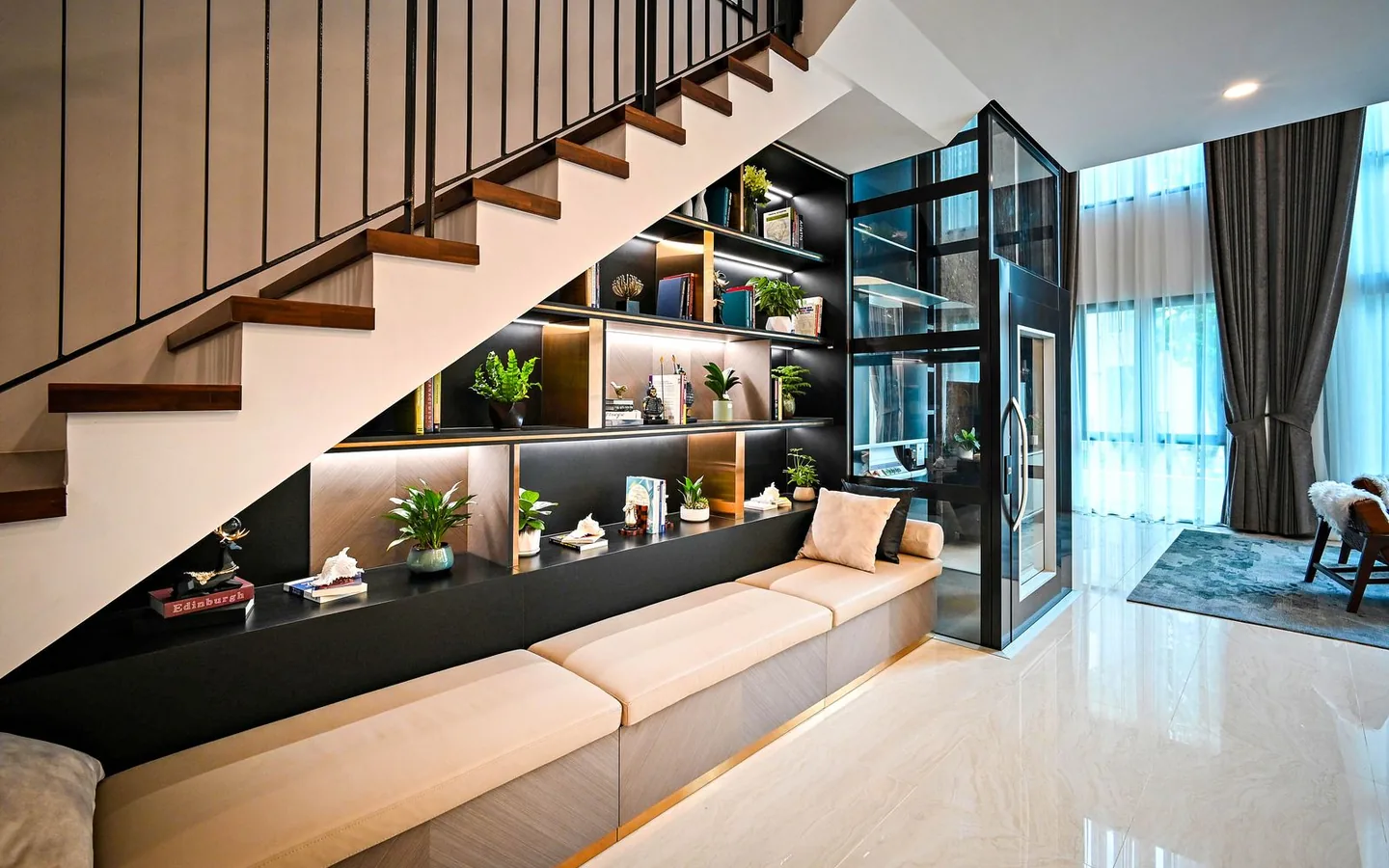
Separate storage into daily items, weekly supplies, and longer-term things. Daily things should be easy to return without first moving something else. Keep the largest drawer or shelf for the right type of contents. A deep drawer useful for bedding could make small dishes hard to find. Tall storage can make efficient use of a wall if the person needing the most common contents can reach them safely. Follow suitable fitting and anchoring instructions, with the building owner's permission where relevant. If support or available room is uncertain, choose a system that is compatible with the actual surfaces.
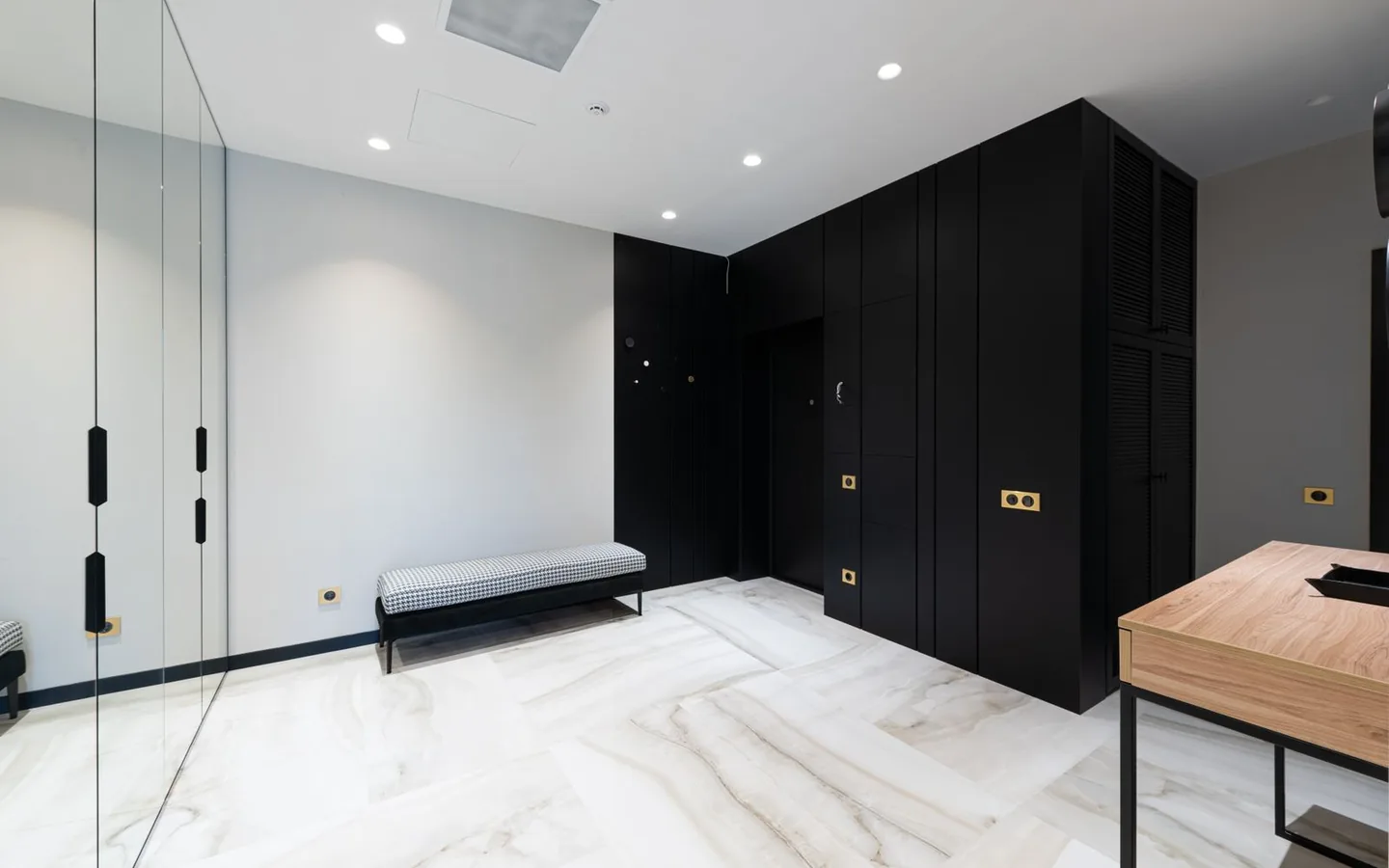
Test cabinet and drawer openings beside the proposed bed and table. A door that opens against the bed may make storage useless on one side. Compare a hinged cabinet, suitable sliding fronts, open shelving, or an existing piece. An open shelf can preserve access without a swing. Closed storage can reduce visual information, particularly for things needed only occasionally. Choose based on the location and use rather than aiming for every front to match. A spare low drawer visible from the room can become an easier home for shoes than a tall cabinet near the bed that holds too many categories.
Move light with the activities
Test the apartment at several times before specifying many lamps. See which areas already have natural light and which need a source that can be controlled independently. A bulb that works for meals can keep the bed area too bright late at night. A focused reading light and a comfortable entry light can help without increasing the number of furniture pieces. Put controls where the activity starts and ends. Leave power and cords safely accessible, away from moving furniture and routes. If you want to fix lights or other fixtures, confirm the wall and electrical work with the appropriate people.
A screen or curtain can add privacy, but check what it blocks besides the view of the bed. A barrier crossing the room may keep daylight or ordinary air movement from an area using the same opening. Test an appropriate temporary arrangement during the hours you expect to use it. The desire to hide the bed may fade if making it is easy and furniture elsewhere establishes a strong living area. For an occasional overnight visitor, a removable visual boundary might serve well. Decide which part of the apartment should feel quieter, and support that with placement and lighting before making anything more permanent.
Measure the route from the street to the spot
Write down door dimensions, stair turns, elevator openings, and the distance available to rotate large packages inside the room. Ask the supplier for dimensions packed, assembled, and with removable parts. A wide piece may be feasible if it arrives in sections, while a narrow ready-made unit may hit the wall across from the entry. Consider how the item might leave during a future move. For a lease of uncertain duration, a sturdy adaptable piece can be a better fit than a custom one with only one feasible position. For a long stay, a built-in part might solve a particular recess that leaves freestanding pieces poorly supported.
Measure storage dimensions in the same way, from the outside to the things inside. Check for plinths, supports, and changes in floor that affect where furniture can sit. If planning an item on wheels, verify suitability, stability, and intended operation for the flooring and use. A cart can be useful beside the kitchen if it stays close to its working spot. A table that regularly moves to let somebody reach storage may be better served by one fixed position and a revision to the cabinet. Price the room around the utility each item adds, including any future cost to remove or change it.
Buy what the trial proves
Start with the sleeping arrangement and the pieces already owned. Mark what you are considering on the floor and live with the remaining space for several days if possible. Move the same chair between roles. Try a meal with another person and take notes where work, cooking, or cleaning temporarily changes the plan. Then buy the one piece that improves the most frequent awkward movement. Recheck the room before ordering the next. The drawing can continue to evolve as the actual dimensions and habits become visible. This order helps keep a studio from acquiring several solutions to a single problem.
Remove overlapping uses from the shopping list if the trial shows no need. A well sized table can support several activities when there is easy storage for whatever just finished. One comfortable seat and a well placed lamp can make a room feel generous for one person. A studio is easiest to furnish when each object is given both a useful role and a defined place once the role ends. An arrangement that allows a quiet night, an ordinary breakfast, and a guest sitting down without first moving the bed will continue to feel practical after the space is fully lived in.