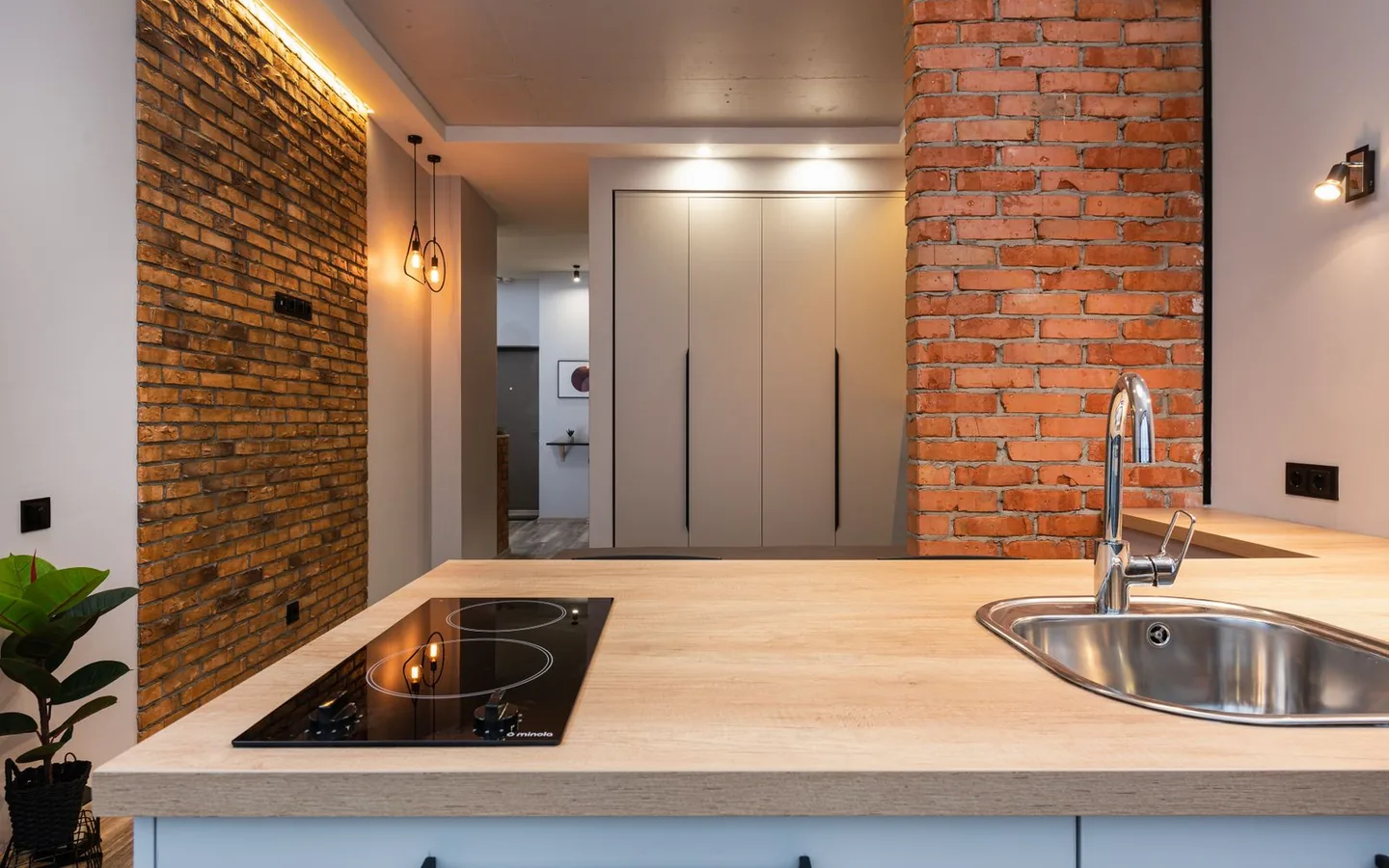
How to Plan Kitchen Lighting Around Daily Work
Place daylight, general light, task fixtures, and evening controls where they help with cooking, cleaning, and conversation.
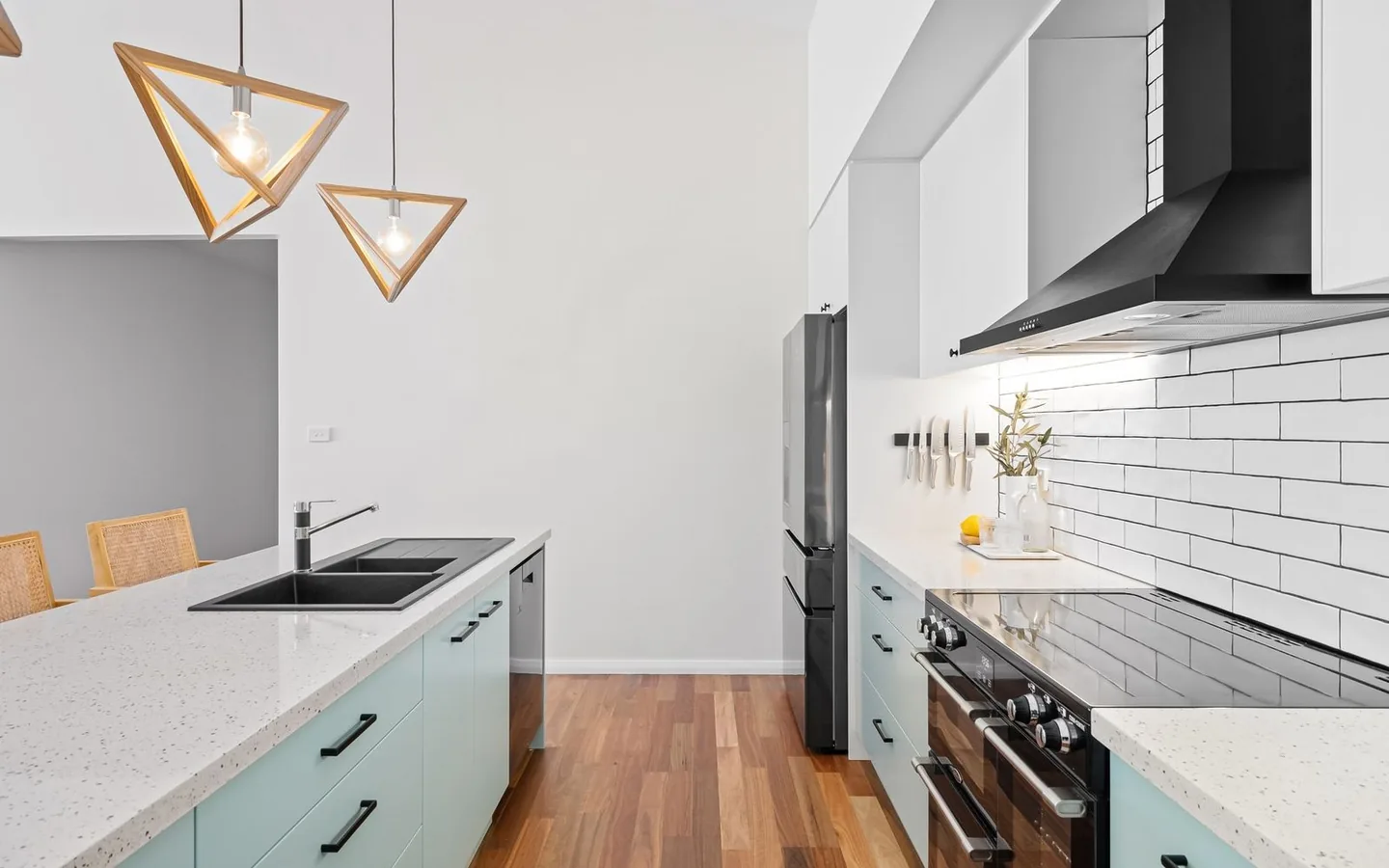
Plan the light where tasks happen first, check for shadows and glare, then use separate controls for preparation, cleanup, and quieter evening use.
Look where your hands work
In a kitchen with good light, you can see the remaining peel on a vegetable and tell that a dark plate is clean. It is easy to miss those basic tests while looking at a ceiling drawing. Stand in the room and name the things you do at the counter: unpacking, chopping, reading labels, checking a pan, putting away dishes. Look at each place in daylight and after dark. The light you need will often follow the work more closely than the center of the room.
Notice where you cast a shadow. If most ceiling fixtures are behind a person standing at the counter, the body may block the light that looked ample from the doorway. A dishwasher may get light on the front of its door while the inside remains dark. Put a portable light on a stable surface and move it around the area to understand the effect. This can help you describe the problem in a meeting even if the final fixture will be elsewhere.
Separate light that lets someone walk safely through the room from light that makes a close task comfortable. A main fixture can make a kitchen feel awake while leaving a row of dark drawers. A strip under cabinets may give excellent light on a worktop while barely reaching the dining table. Put both conditions on the plan and note where either could be improved with one suitably placed fixture.
Pair the task lights with surfaces
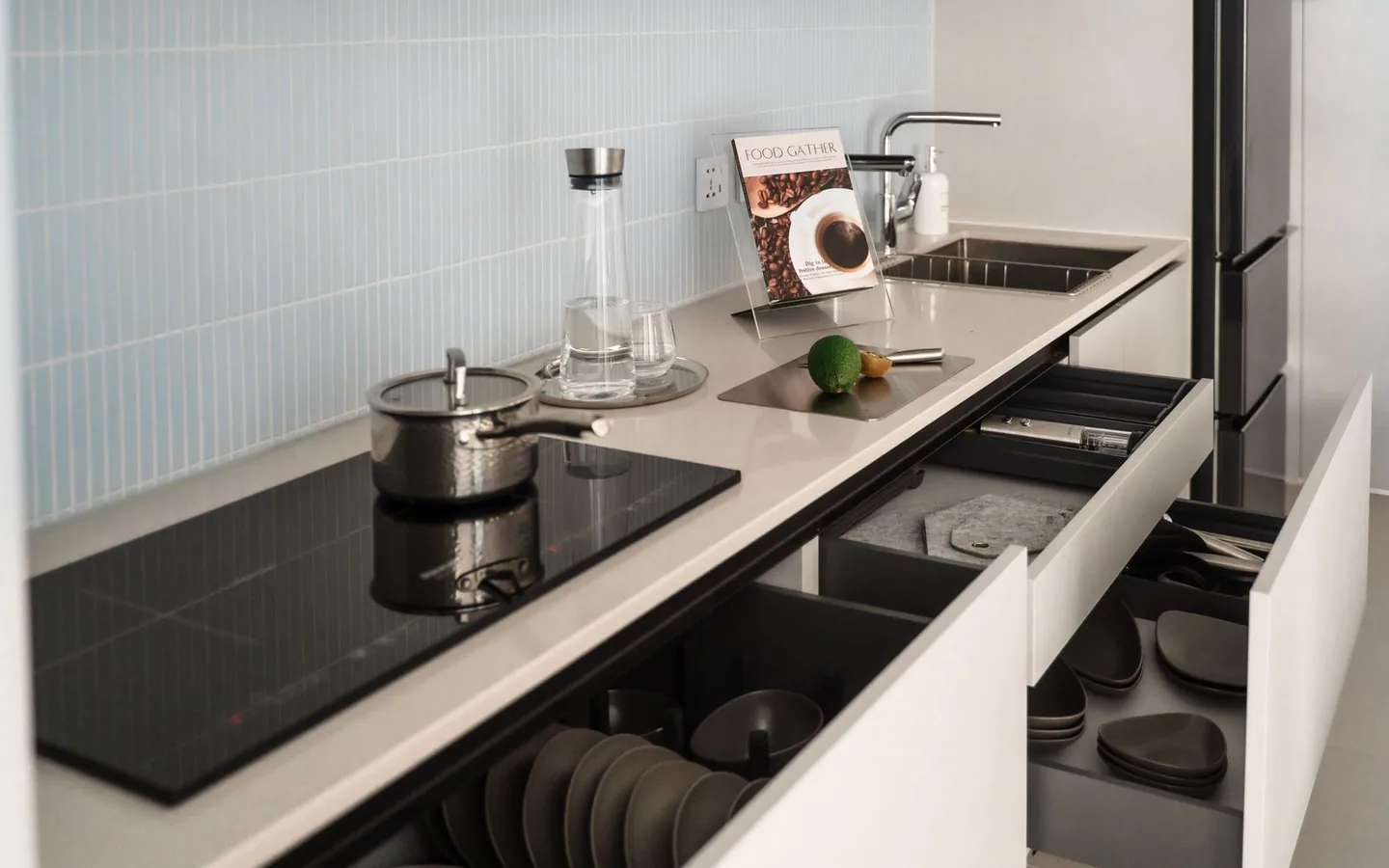
A light near the front of a wall cabinet can send light onto the working area, while one deep at the wall may mostly wash the backsplash. Try both positions if you have access to a sample. Record what happens when someone stands at the counter. Check from a low seat and from the adjacent room as well. A bright visible diode may be very small on the sample and very obvious when the rest of the room is quiet.
Look at the reflection from the counter. A polished dark surface can reflect bright points with surprising clarity. A milky lens can soften individual points, while the position of the fixture can shift where reflections land. The effect depends on angle, surface, and actual light source, so plan to check the two products together. Hold a small counter sample flat at worktop height to see the reflection at the right angle.
Think through places where cabinets stop. The run under glass or open shelving may need another light strategy. A window can bring useful daylight to the sink, but the same spot still needs a good view into the basin after dark. If wall fixtures are in view, take account of cabinet doors and handles nearby. Small setbacks and furniture edges can determine whether the light lands where it belongs.
Place pendants from both standing and seated views
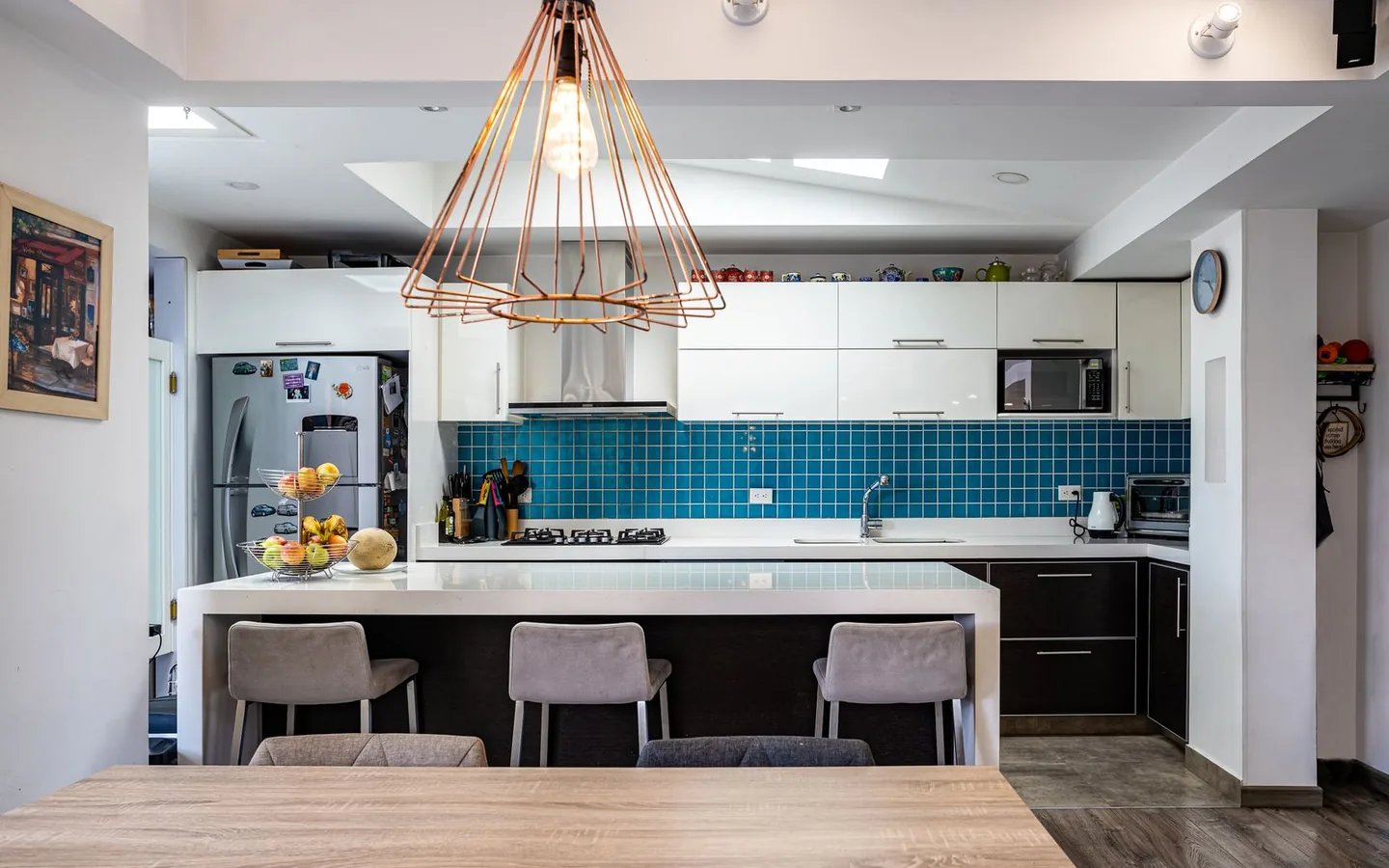
An island pendant can help define a work zone or a table. Start by deciding which surface you intend to illuminate and which sightline matters. A low wide shade can soften the view of the bulb but interrupt conversation or cover part of the window from a seat. A small clear fitting may preserve the view while putting a bright source in the eye of anyone facing it.
Mark the proposed shade edges with cardboard or paper. Make the mock-up lightweight and position it safely, or have a second person hold it in place. Stand at the counter, sit on the stool, and step into the room from each opening. Consider the height of the people who use the kitchen. A shade that looks balanced from eye level in a drawing may interfere with the natural view across the island.
Check what the pendant does on the counter when dinner is over and somebody is working there alone. Look at where plates, hands, and bowls create shadows. If the fixture is better at making a soft evening atmosphere than illuminating detail, another source can do the working job. Choose the pendant and the supporting light in the same conversation, especially if there is only limited space in the ceiling.
Choose when the lights operate together
Walk through an ordinary day and write a few scenes. At breakfast you might use the general light and the worktop lights. Later you want the table lit with the rest of the room quieter. During cleanup you need good visibility into the sink and across the floor. Those scenes show which fixtures should operate together and which should have their own controls. They are more useful than choosing a control system before deciding what it will control.
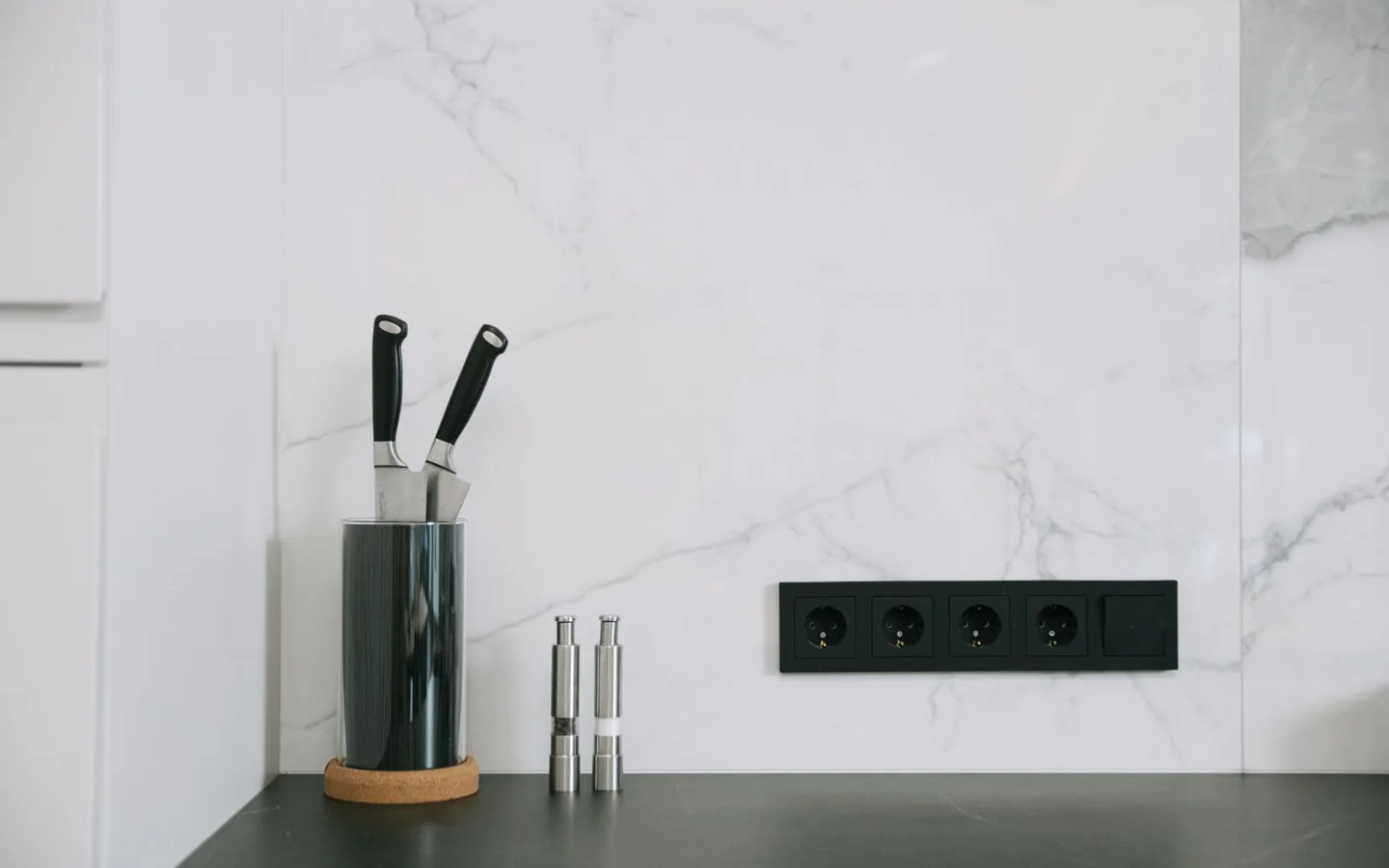
Figure out how you enter and leave the room. An entrance near the garden may need access to a light that is currently switched only at the hallway. If a switch is hidden behind an open door or an appliance, it may be in the wrong place even though it looks neat in elevation. Discuss practical control positions with the electrician and confirm which wall treatments or furniture will affect them.
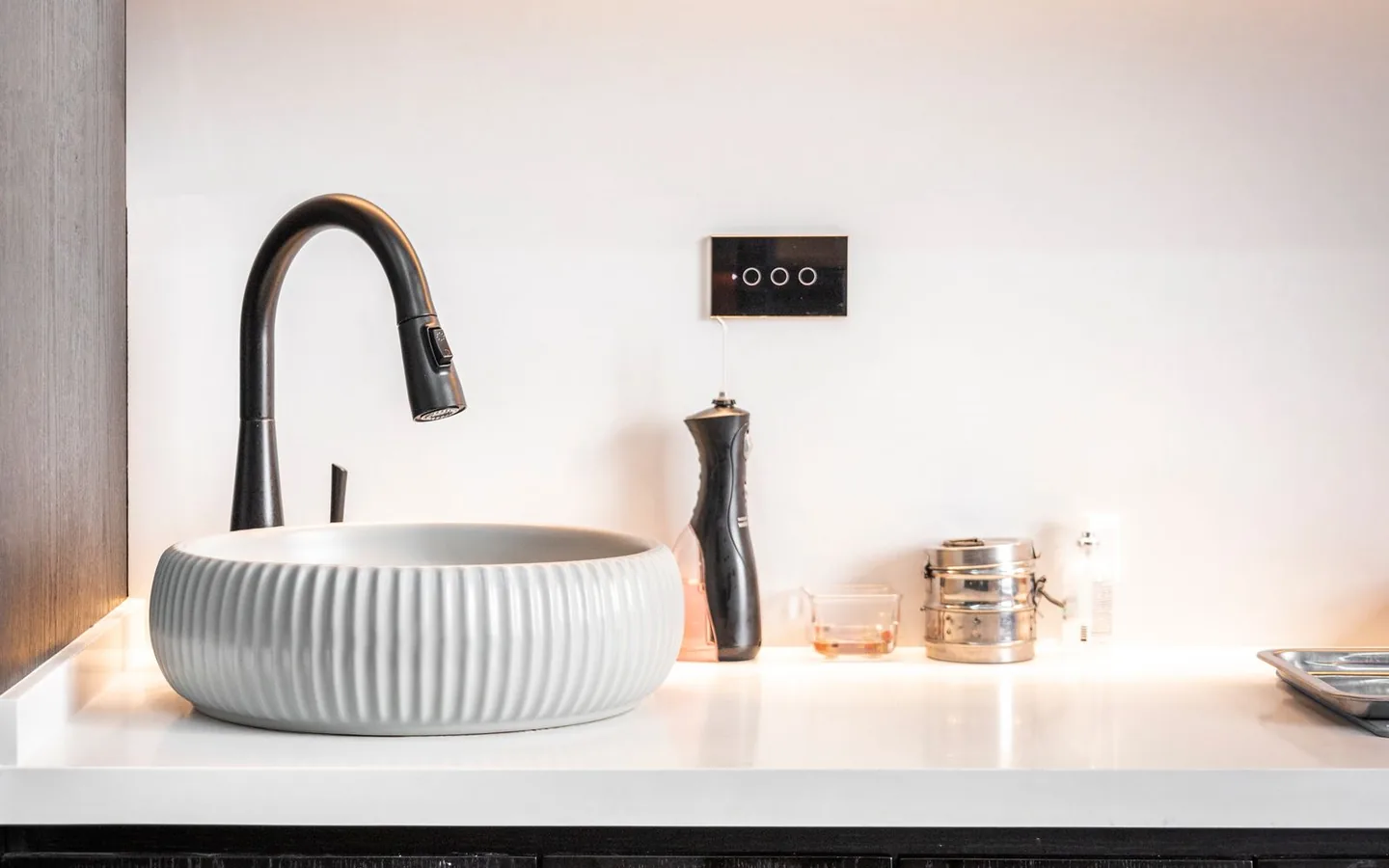
Ask whether the selected luminaires, lamps, and dimmer can work properly as a system. Compatible equipment can be important for predictable dimming and a comfortable low setting. Ask to try a similar combination if the evening setting matters. Plan for anyone who will use the room to find a basic control without needing a phone, a saved scene, or an explanation.
Compare light color in the room
The appearance of a painted wall can change between daylight and two temperature settings of artificial light. Wood samples can grow richer or flatter. White tile may bring out a tint in nearby grout. Compare fixture samples near the finished materials where practical. Looking at a lamp's packaging only tells you how it is labeled, and two fixtures can feel different once lenses and materials are involved.
Keep nearby sources in mind. A bright work area next to a warm dining room can produce a visible break across an open plan. That break might be welcome while you cook. It might also feel uncomfortable when both spaces are being used at lower intensity in the evening. Test the combinations you expect to keep on together. Consider how natural light changes by hour and season.
If color judgments are part of your routine, turn on a sample and look at several familiar objects. Read a label, compare two similar shades, and see how produce looks next to a white plate. This is a practical way to check whether your selected fixture supports the tasks. Sheets of specifications are still useful for discussing output, color characteristics, and replacement, especially when you need to match different fixtures.
Make the installation decisions before surfaces close
Have the cabinetmaker, electrician, and designer agree where profiles, drivers, controls, and access will go. A location that works on a lighting plan may be occupied by a hinge, a sliding shelf, or a vent. Ask how the crew will reach equipment if it needs service. Leaving a small accessible zone can avoid taking down finished furniture during an ordinary repair.
Choose connection points and fixture positions before surfaces that conceal them are installed. If the final equipment is not selected, ask the team which details must be fixed now and what will remain flexible. Share the latest appliance and cabinet drawings. Those documents can change where working positions sit relative to the planned light.
Have the relevant professionals confirm any local rules and equipment suitability. Some areas have moisture, heat, or appliance considerations. This check can also help settle whether an improvised idea would actually make maintenance harder than a familiar, replaceable setup. You can decide how the light should feel and function while the responsible people confirm the right way to install it.
Check the room after dark
Wait until the daylight has faded to give the project a final test. Turn on each control separately. Stand at the board and the sink and pull out a deep drawer. Sit at the table as someone opens the fridge. Use the room as a guest might if they arrived unfamiliar with the controls. Small issues often show up when you stop watching only for how bright the fixtures look.
Make a short record of what you see. A soft reflection in glass may be pleasant, while a sharp point in the corner of your eye may make the seating uncomfortable. A light that helps over the sink can become a bright spot in the sitting room if the shade is visible from there. Write down both the affected place and which light was on. That makes it easier to decide whether positioning, shielding, settings, or a different fixture would resolve the issue.
When you settle on a layout, keep product information and instructions with other house records. Label unfamiliar controls in a way the household can understand. Store the details of any replaceable parts and how the installers intended them to be reached. The finished room should let you move smoothly from making coffee to clearing dinner, with enough flexibility to pick a different light when the company or the work changes.
Save a little attention for storage
Deep pantry shelves can remain difficult to use even when the kitchen looks bright. Give yourself a temporary test with a box along the front edge and observe whether the labels behind it are visible. Look into drawers with a person standing where they normally stand. These details are often easier to understand when a few objects are inside instead of when you inspect an empty cabinet.
Internal lights may be worthwhile in a tall pantry that sees little outside light. In a shallow bank of drawers, a better position for the general fixture might be enough. Discuss access and control before committing to a complicated solution. Tight storage can become easier to use with a simple light that reaches the right surface and turns on in a way that matches how the cabinet opens.